The Hive becomes UOB Innovation Hub; partial conversion to start-up offices sparks student backlash
NTU says classrooms and study areas remain available to students, and it is committed to ensuring sufficient learning facilities across campus.
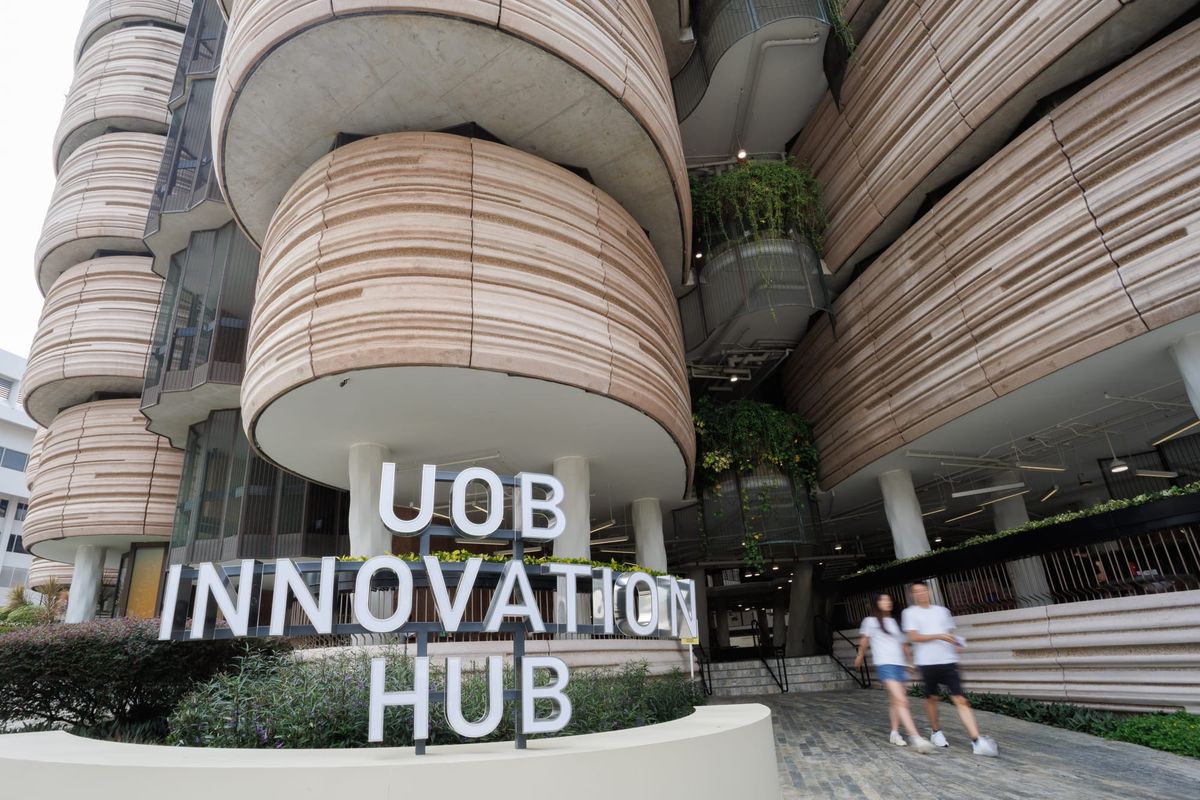
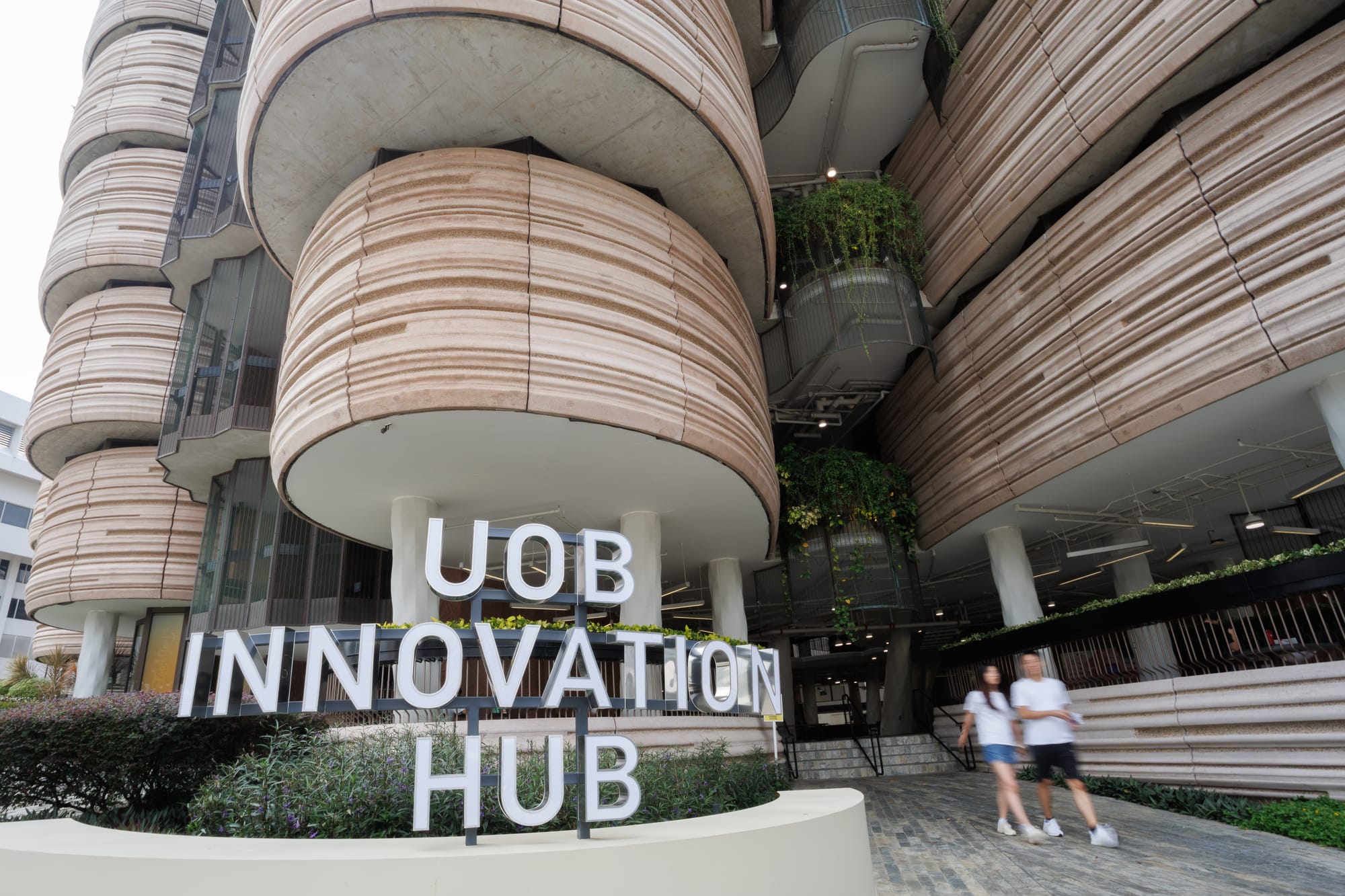
SINGAPORE — The Hive, best known for its “dim sum basket” look and constant stream of photo-taking tourists, was renamed UOB Innovation Hub on Mar 25, with 18 of its 56 classrooms converted to house NTU-affiliated start-ups instead of classes.
The move has sparked an uproar among students, particularly from the College of Humanities, Arts and Social Sciences (CoHASS), who are understood to be the building’s main users. Classrooms there are widely used by students from majors such as economics, history, philosophy and psychology.
The bottom 2.5 floors of the eight-storey building are reserved for start-ups, with more expected to be converted over time, according to an earlier report by The Straits Times. So far, only one start-up has settled into the building, with another expected to move in soon.
The Hub, supported by a $110 million investment by UOB and the Wee Foundation last April, is expected to incubate more than 90 venture teams and start-ups over the next five years.
Students demand accountability
In response to the changes, student-run advocacy group NTU Financial Aid Friends (FNAF) held a townhall on Apr 1 in a UOB Innovation Hub classroom.
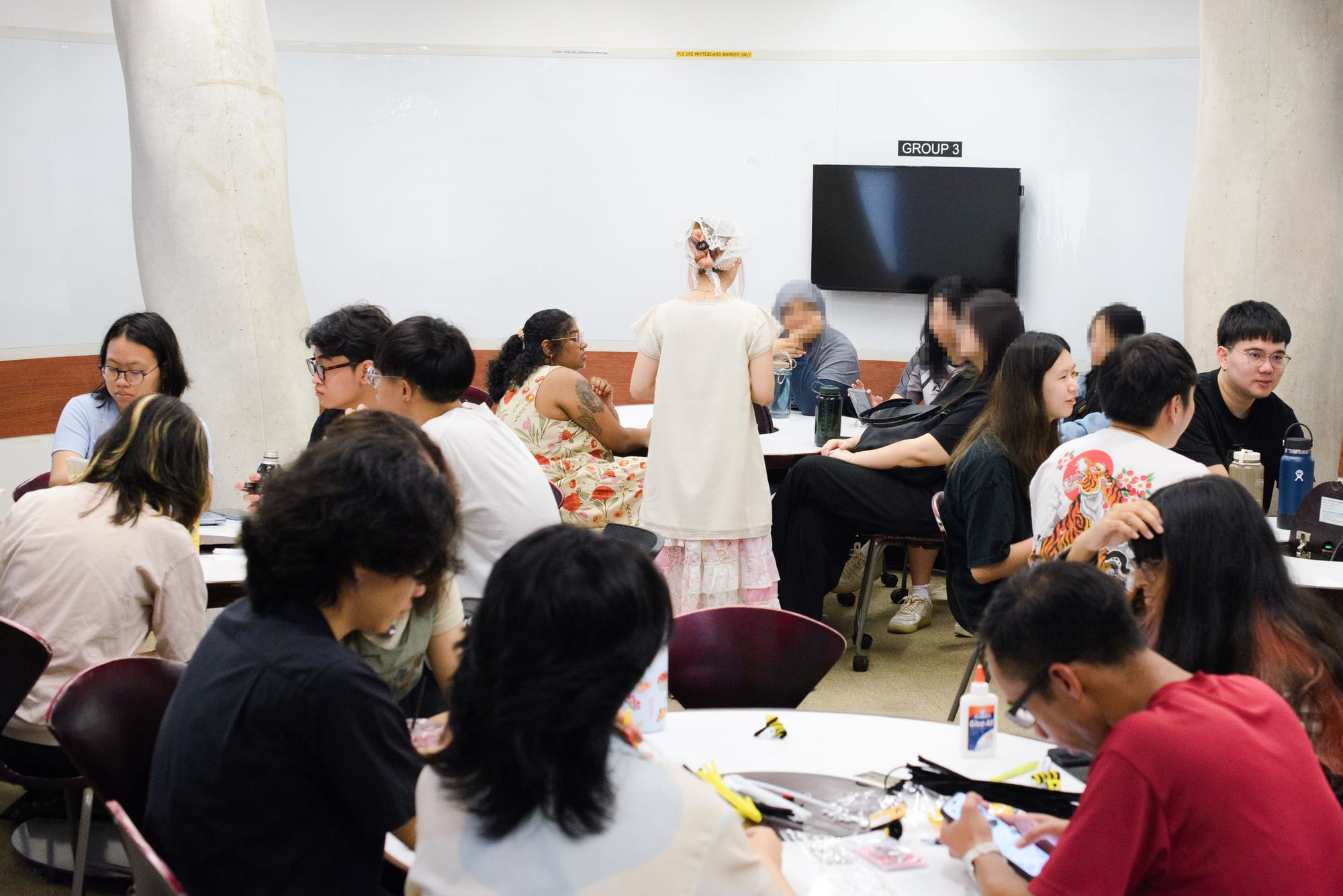
It also launched a petition that has garnered 367 signatures as of Apr 8. In the petition, the group outlined five demands to NTU: Reverse the name change, revert office spaces to classrooms, disclose fund allocations from sponsors, include students in decisions regarding school facilities and engage students about any subsequent changes to the Hub.
Prior to organising the townhall and launching the petition, the advocacy group also conducted a survey to better understand on-the-ground sentiments about the changes.
Of the 254 survey respondents, 185 were students from CoHASS, 23 were from the College of Engineering, 21 were from the College of Science and 12 were from Nanyang Business School. Survey data showed that 98 per cent of respondents did not support the building’s renaming.
Speaking to the Nanyang Chronicle, FNAF member Chime Chan, 21, said that the group rejects any further expansion of the UOB Innovation Hub.
“The Hive is a learning hub. It's composed of learning spaces meant for students, and has always been conceptualised as that,” said Chime, a first-year student from the School of Humanities.
“The fact that even more tutorial rooms are going to be replaced is very concerning, and I think that's something that affects not just humanities and social science students.”
Beyond its function as a classroom, the Hub is also used by some member clubs of the NTU-wide Cultural Activities Club and Welfare Services Club for their activities. Second-year student from the School of Biological Sciences, Yeo Tze Yew, 23, is a member of one such club.
“NTU will just be renaming things left and right as they see fit, without telling people,” he said, “I think it's the same for Gaia, but I think (its renaming is) forgivable, because Wee Cho Yaw is a person who contributed, compared to UOB, there's no name and face that we can link it to — it’s just a corporation.”
In 1995, the late Mr Wee Cho Yaw officiated the opening of Nanyang Business School, which later moved into a new building, Gaia, in 2023; the building was renamed Wee Cho Yaw Plaza last August.
Mr Wee helmed UOB for more than six decades, serving as chief executive officer from 1974 to 2007, and chairman from 1974 to 2013. He was the pro-chancellor of NTU from 2004 until his passing in 2024.
Chai Wei Lin, 20, a first-year student from the School of Social Sciences, cited NTU’s lack of communication as her biggest source of concern.
“We were only informed about it on the day that the renaming happened... and the alumni were informed two days later, which is even worse,” she said.
While some students have reflected a negative stance on the issue, others reckoned that the move benefits students.
A fourth-year student from the College of Computing and Data Science, who prefers to be anonymous, said: “While it's unfortunate to see an NTU icon erased the way it was, at the end of the day the renaming is a pragmatic decision to raise funds.
“It is my hope that the funds will be directed to the relevant departments that are most impacted by the repurposing of the UOB Innovation Hub, and that we can all expect improvements to NTU's facilities and curriculum.”
Responding to queries from the Nanyang Chronicle, an NTU spokesperson said: “Smart classrooms and study spaces remain available to all students. The university is committed to ensuring students continue to have access to sufficient learning and study spaces across the campus.”
The NTU Students’ Union, when approached for comment, said they were engaging university leadership on the matter and encouraged students to attend “Meet the NTU Management” sessions.
At a closed-door session on Apr 7, senior NTU management, including vice-provost of student experience Associate Professor Andy Khong and associate vice-provost of student engagement and vibrancy Associate Professor Goh Wang Ling, discussed the issue with participants.
A new hive for aspiring start-ups
The bottom 2.5 floors of the Hub have been hived off as subsidised office space for promising NTU-affiliated start-ups.
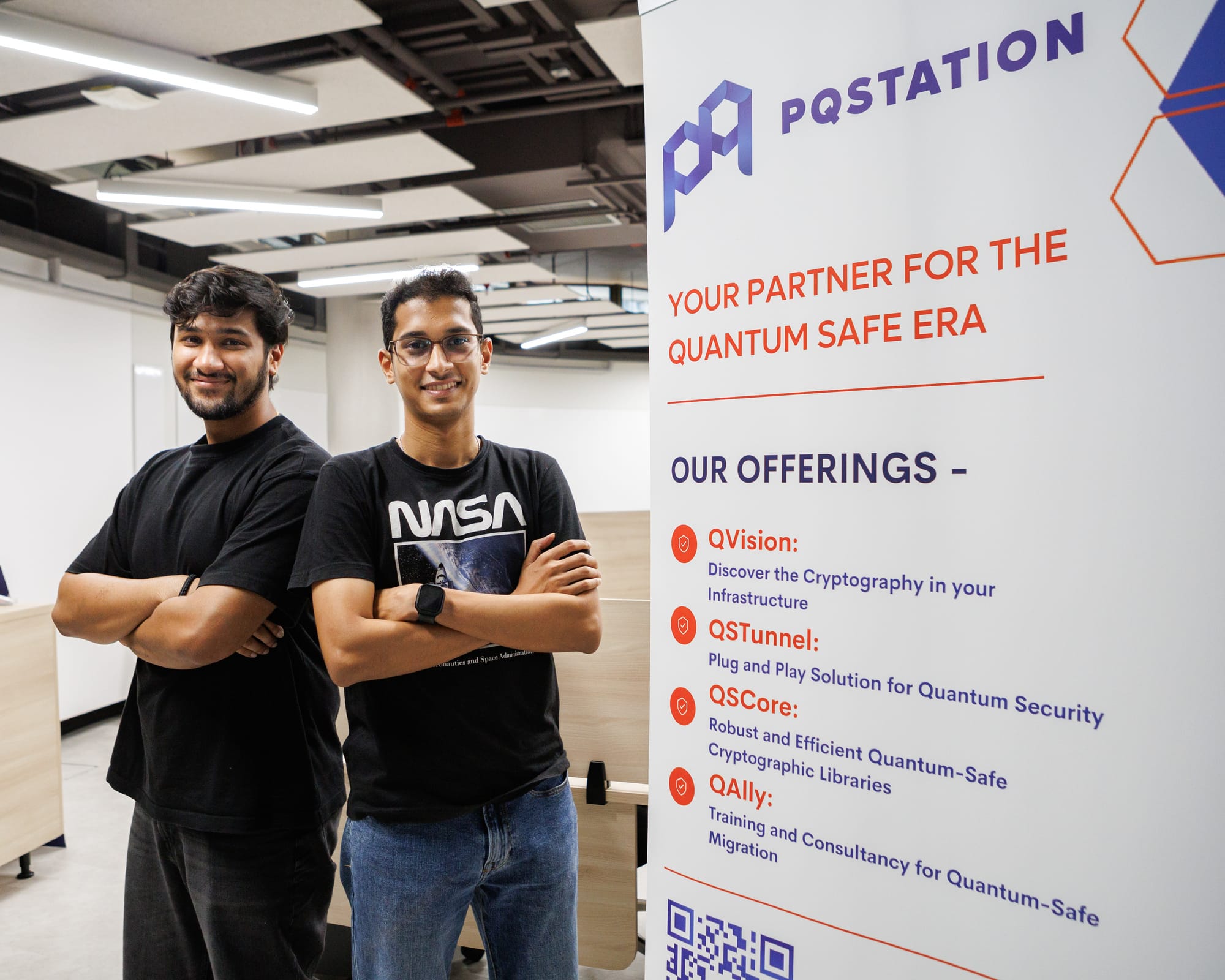
PQStation, an NTU spin-off that helps businesses strengthen encryption of data transfers, was the first to move into the Hub. For them, having a permanent space instead of working remotely has improved their productivity.
Chief operating officer Mr Arryaan Bhandari, 22, a graduate of Nanyang Business School, noted that his seven-member team worked across different labs scattered across the campus and in the city area.
“Now that we’re all in one place, it has really helped. There’s a stronger sense of being one team, and we have more frequent conversations with each other. Collaboration has improved significantly, and team bonding has definitely increased as well,” he added.
Being stationed in the Hub also comes with added support, including mentorship opportunities from UOB — strengthening ties between NTU start-ups and industry players, said Mr Arryaan.
He added that the Hub provides great opportunities to network with fellow founders, learn from one another and build meaningful connections.
“When challenges arise, there is also the ability to reach out to other start-up founders for advice and support… It’s definitely something we are looking forward to.”
Another start-up set to move in is deep tech spin-off Synvo AI. Chief executive officer Mr Saim Yeong Harng, 45, said that networking events and proximity to other start-ups would allow them to collaborate and exchange ideas with each other.
Other ventures invited to the launch of the Hub included Neusla, a sustainability spin-off that was incorporated in March.
Chief executive officer and NTU research fellow Mr Tay Yeow Boon, 33, said that they eventually hope to obtain office space at the Hub due to its proximity to research and business resources.
“You can get space in the town area, but we cannot build labs or anything there,” Mr Tay said, “It’s very good for deep tech like us to be near the labs, (business) advisors, and also the professors… to get some technical consulting and everything is easier.”
Alongside these start-ups, an NTU spokesperson said that NTU Venture Creation Programme students would be among the first to use the space.
The inaugural batch of the programme includes NTU Honours College students who took the NTUpreneur module ET5091 Startup Sprint: Entrepreneurship in Action last semester.
Still, NTU Venture Creation Programme students Howell Chan, 25, and Leom Sheng Rui, 23, said they were unaware if they could use the newly-renovated rooms and have not tried any facilities yet.
The NTU spokesperson said: “The UOB Innovation Hub is purposed to welcome ideas from students across the university, with incubation facilities and dedicated workspaces to help them turn their aspirations into real-world ventures and programmes.”