Quality over quantity: Students express concerns over NTU's halal food variety
From three-hour food hunts to the rise of home-based supper trucks, the struggle for diverse halal food at NTU reveals a significant gap between campus numbers and the reality on the plate.

SINGAPORE — At 8pm on a weekday, 21-year-old Dzakirah Herman began her trek across the NTU campus in search of dinner. Her first stop, Hall 11, was a dead end as the Malay food stall had already closed for the night. A week prior, she had tried Hall 9, only to find the Xinjiang Cuisine stall temporarily closed.
Desperate, she headed to Canteen 4 to find a pasta stall she had seen on the NTU Muslim Society (NTUMS) Instagram page, only to find the space vacant. Dzakirah eventually decided to leave campus to have her dinner at ‘Extension’ – the go-to supper spot for NTU students near Nanyang Community Club.
“The whole process took three hours,” the first-year chemical engineering student said. “It is difficult to find halal food past evening dinner hours.”
Despite an increase in the number of Muslim-friendly stalls over the past two years, NTU’s Muslim community still finds a lack of variety, with some concerns about the lack of halal-certified food stalls.
According to a tally done by NTUMS in February 2026, the university houses 35 halal food locations. 21 are halal-certified, while the remaining stalls are Muslim-owned or Muslim-operated. Compared to two years ago, there were 18 halal-certified stalls.
However, the 21 halal-certified outlets include McDonald's, Gelare, and Mr Bean. NTUMS is currently liaising with the Office of Commercial and Auxiliary Services for the August 2026 update of the Halal food list.
Students want variety
“On paper, there are a lot of halal options already,” said NTUMS Welfare Officer Mohammad ‘Afif. “But the issue isn’t the numbers; it’s the variety,” the 23-year-old student from NIE added.
Afiq Uzair, a 28-year-old Chinese-Muslim mechanical engineering student, said: “The variety is so limited that it’s almost the same meal everywhere. I would love to have more Western or Malay food options because most of the halal options around me are either Indian or Chinese cuisine.”
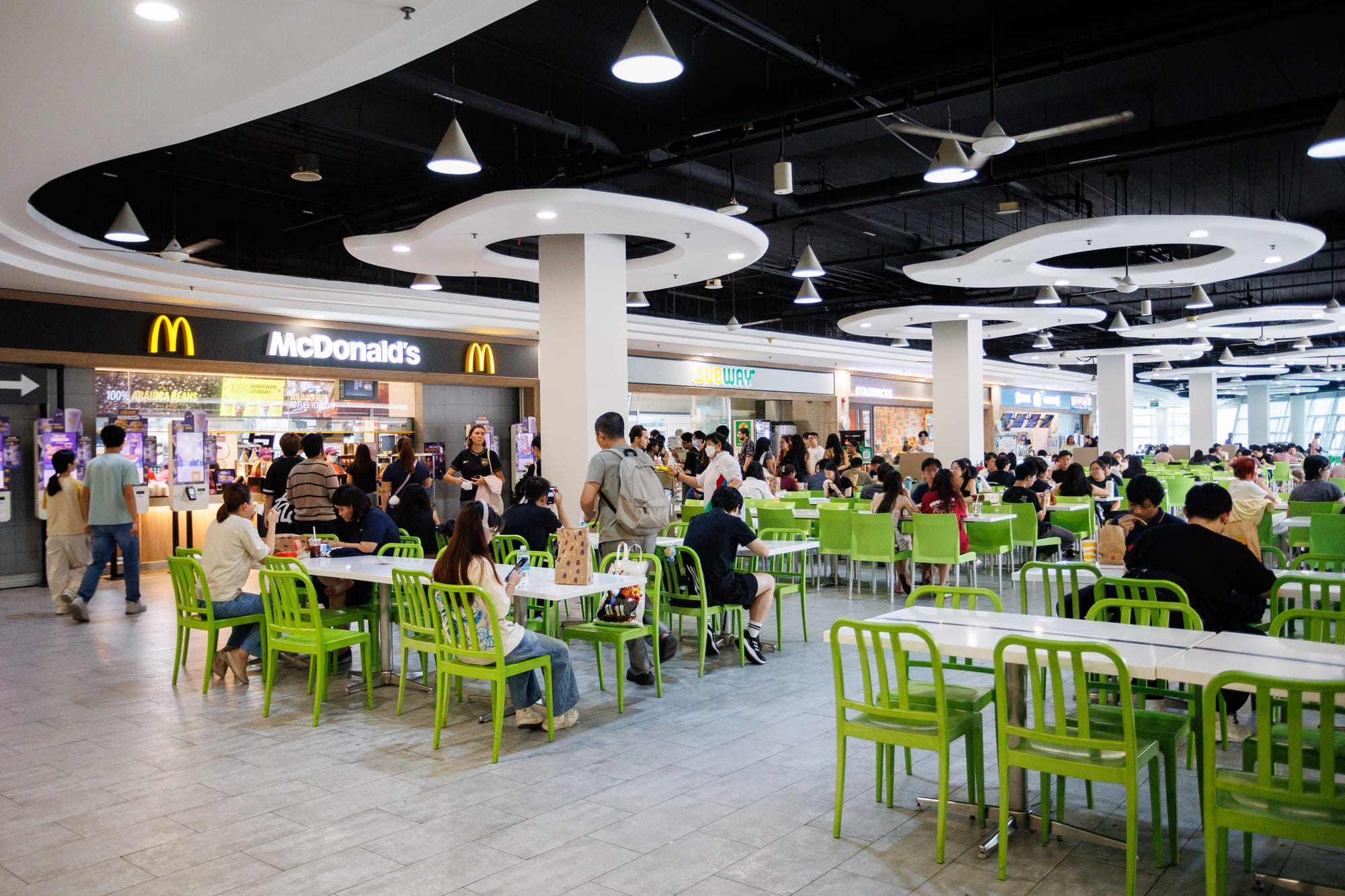
In crowded areas like North Spine and South Spine, the situation is particularly dire. North Spine is dominated by fast-food chains, while South Spine relies on a single halal-certified Japanese stall.
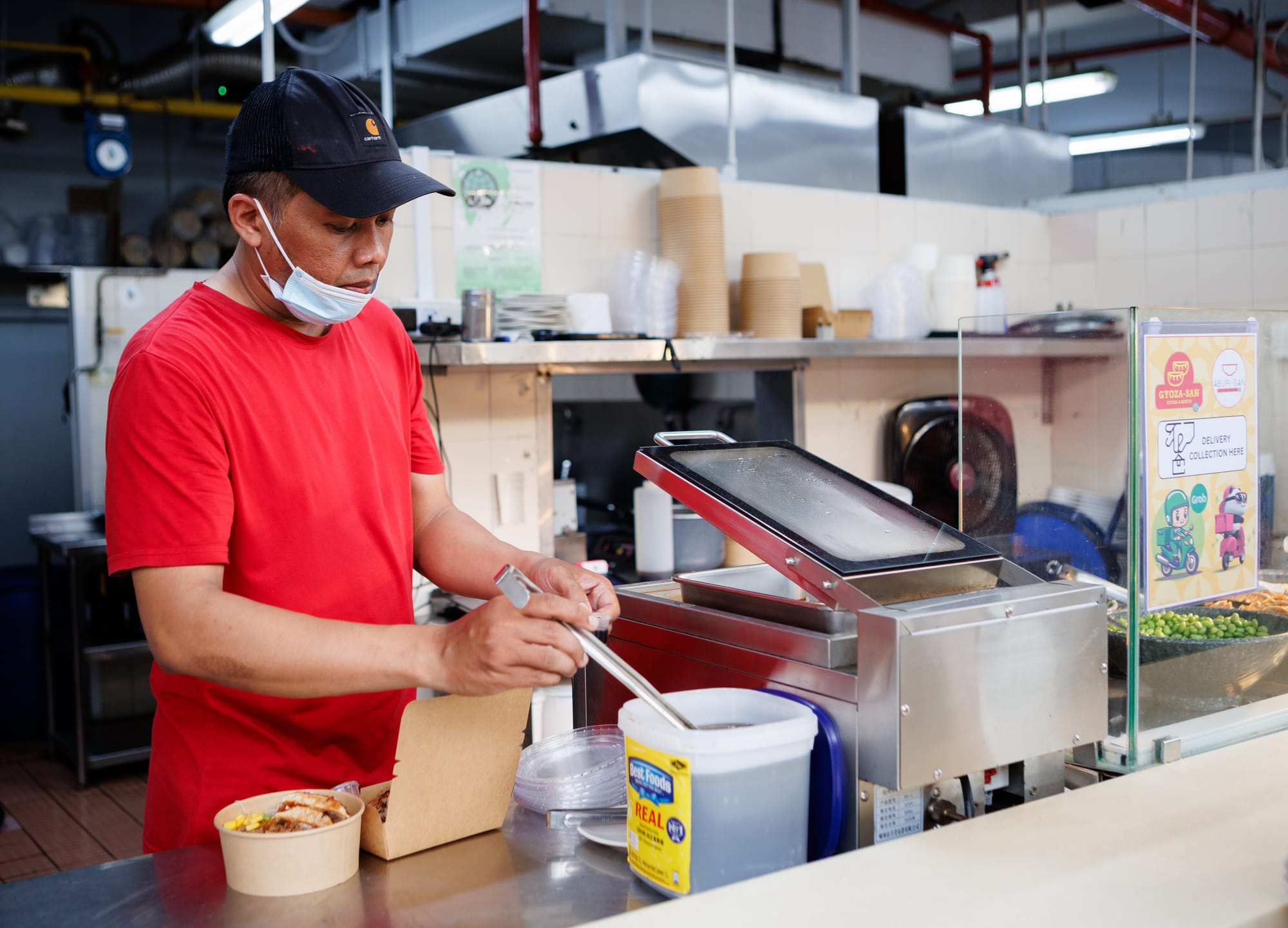
Addressing the halal gap
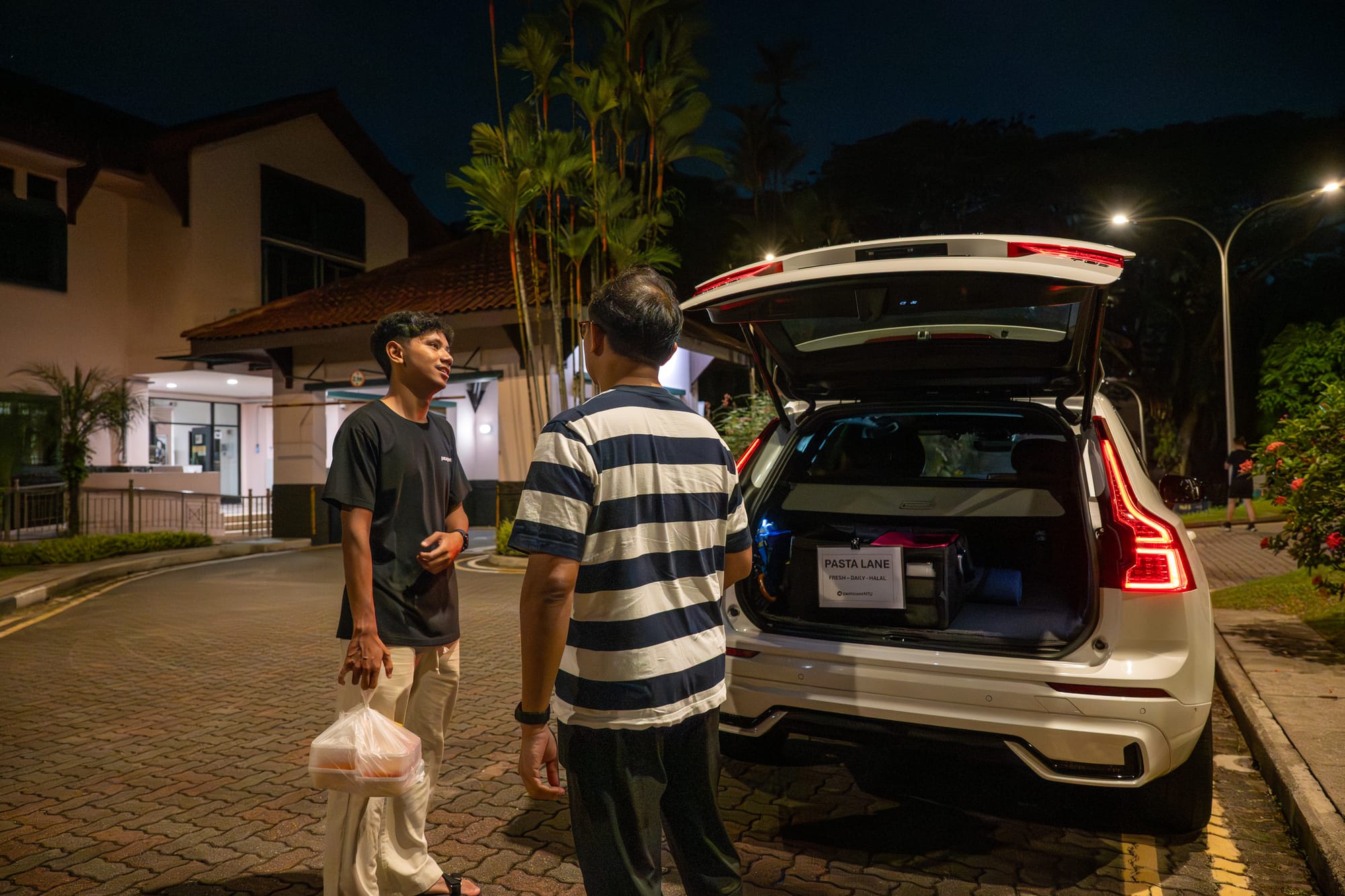
Pasta Lane, a supper truck, roams the halls of NTU from 10.30pm to 11.55pm every weeknight. It is operated by 51-year-old Mr Razali, who requested to only be referred to by his first name, and his daughter, Alya Qistina, 20. Their home-based business, which opened on 12 Feb, attempts to solve two problems: repetitive menus and late-night hunger pangs.
Mr Razali, an NTU alumnus who graduated from the School of Accounting and Business (now known as Nanyang Business School) in 2000, handles the cooking and delivery. Alya, a second-year communication studies student, manages marketing.
“NTU doesn’t have many halal options, what more late-night ones,” Mr Razali said.
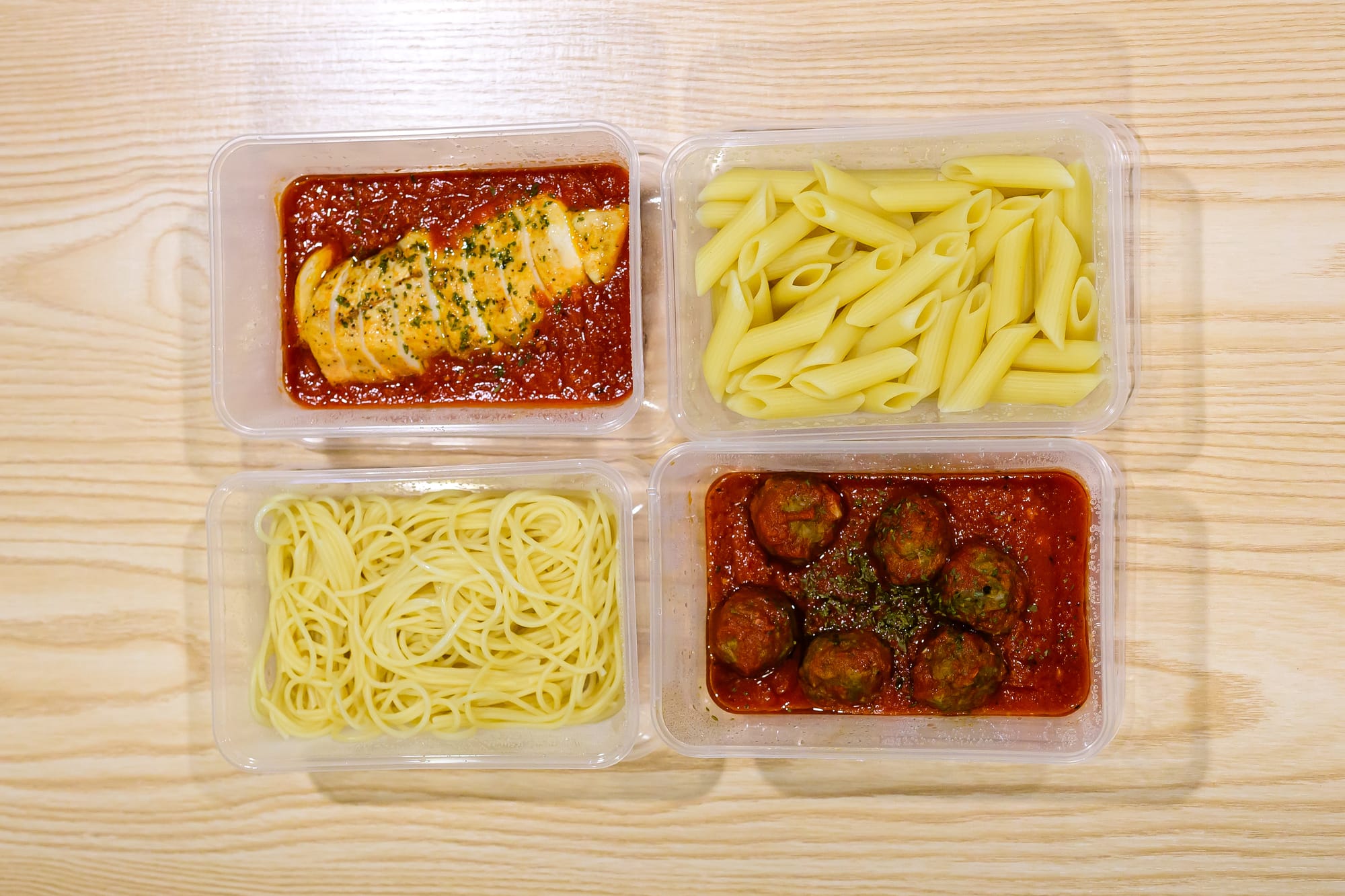
Their menu includes Aglio Olio, Beef Meatball, and Chicken Pomodoro. They have delivered more than 40 orders a week.
Challenges with certification
Despite the growing number of halal options and the availability of such home-based businesses, an obstacle remains for students who eat only halal-certified foods.
When referring to ‘halal-certified’, this constitutes food that abides by the Islamic Religious Council of Singapore’s (MUIS) strict preparation guidelines. This increases operational costs as the certification includes training staff members and hiring at least two Muslim employees.
“A store being halal-certified would give me more assurances because I know checks are done to ensure that the food is prepared according to the specified guidelines," said 20-year-old public policy and global affairs student Nurainun Mardhiyah.
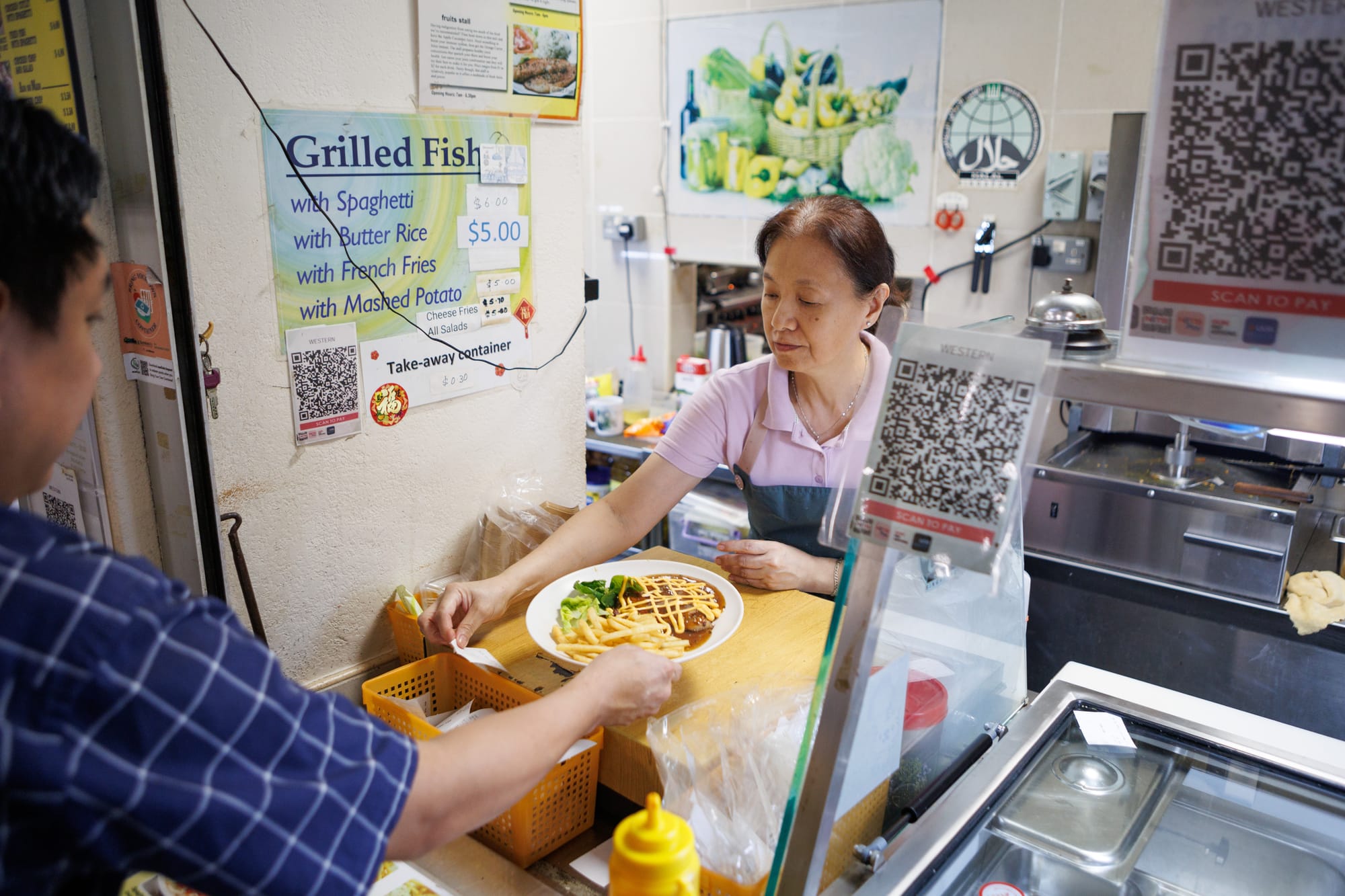
60-year-old Ms Heidi Tan, owner of the halal-certified Western food stall at the NIE canteen, noted that while certification boosted business, the requirements are strict.
The stall owner added: “We have to go for courses, pay the annual renewal fee, and (MUIS personnel) will come and check every year.”
For Ms Tan, annual renewal fees for the halal certificate cost more than $300, which is borne by her stall fully.
Off-campus treats
On NTUMS’ side, they have ramped up their own initiatives to help Muslim students with this issue. Their ‘Mug & Makan’ initiative, held annually during examination weeks in November, offers a variety of food choices.
The latest one, held from 10 to 14 Nov, included dishes from off-campus food outlets like Boon Lay Power Nasi Lemak, Mehnaz Kitchen, and Tenderbest. The organisers saw a 12 per cent rise in orders from the previous academic year.
Another initiative by NTUMS is the bi-semesterly exam welfare pack, which has provided students like Dzakirah with an alternative to avoid three-hour food hunts. The pack includes instant noodles, snacks, and packet drinks for her to munch on through the night.
“On days when I end late, I don't really have much choice. I’ve started stocking up on these instant noodles, but I feel very unhealthy because of this.”