Growing resilience: NTU students, alumni and research cultivate Singapore’s food future
Campus is teaming up with government, global bodies to explore innovative solutions.
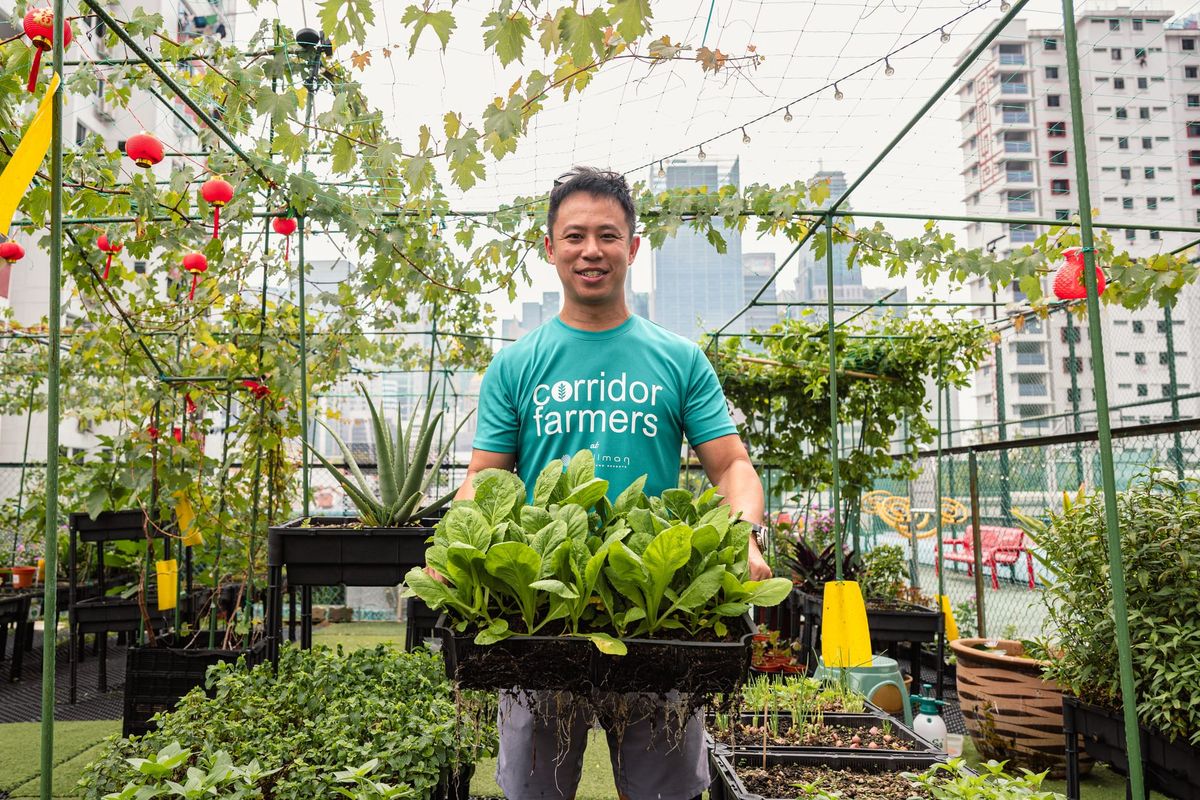
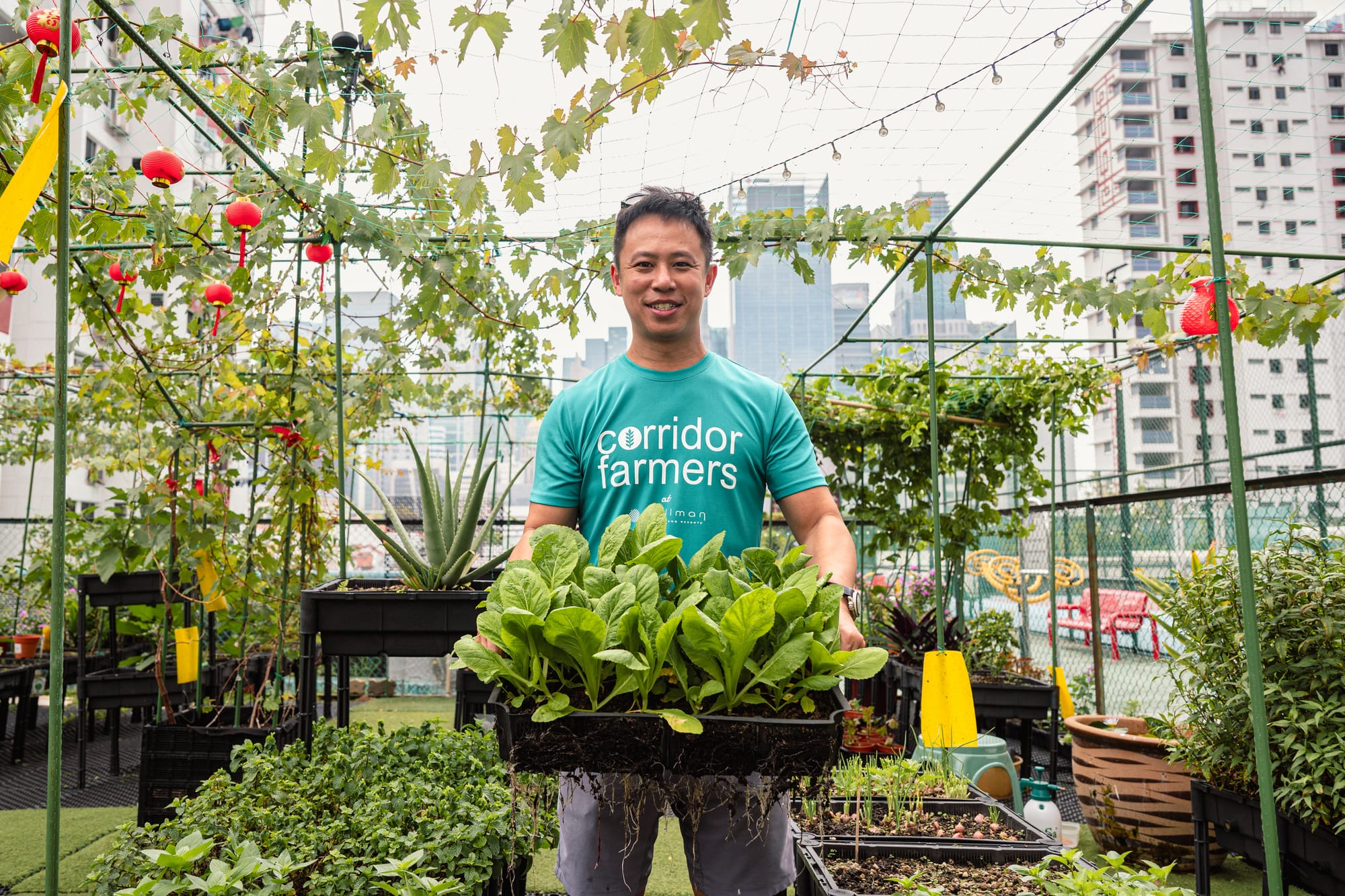
SINGAPORE — Customers tucking into the succulent charcoal-grilled barramundi at Jungle Thai in Ann Siang Hill may not realise that the dish is infused with fresh herbs, like coriander and basil, grown just five minutes away at a rooftop garden above Chinatown Complex Hawker Centre.
The community garden was set up by Corridor Farmers, an agro-consultancy co-founded by NTU alumnus Mr Roc Koh. Founded in 2020, the group builds edible gardens in underutilised shared spaces, such as the rooftops of residential estates and hotels.
At Chinatown Complex, the garden is tended by residents from nearby housing blocks, while Corridor Farmers runs learning journeys for students, corporate volunteers, and tourists. The group hopes to eventually provide pandan for desserts like Old Amoy Chendol’s signature green jelly.
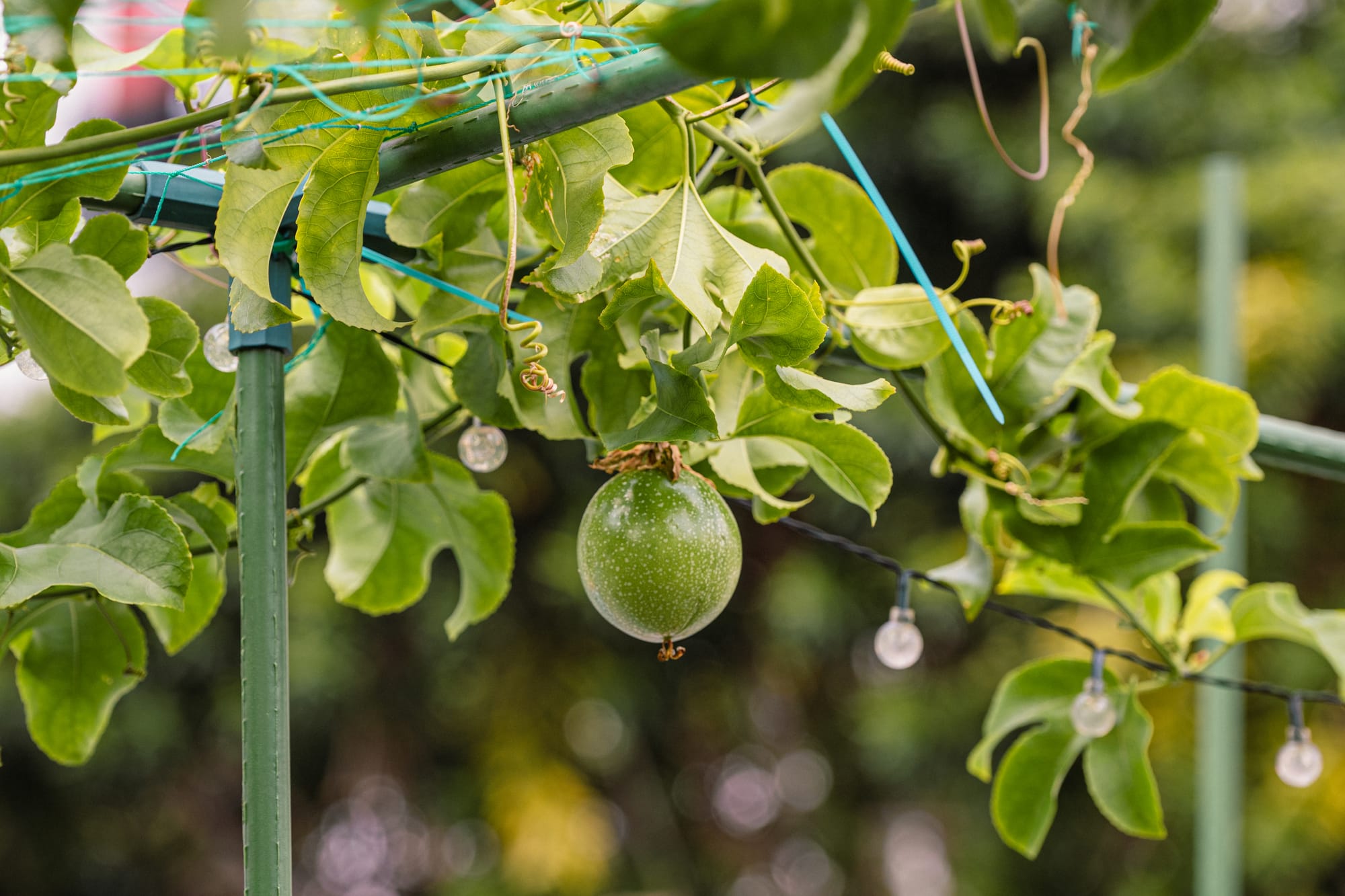
Founded in 2020, Corridor Farmers now manages about eight farms across the island and has hosted around 10,000 participants on its learning journeys. Mr Koh, an NTU engineering graduate from 2011 with a minor in entrepreneurship, said the experience helped him build the initiative, which has also grown its social media following by a few thousand over the years.
Singapore imports most of its food, leaving the city-state exposed to disruptions from global conflicts like the ongoing Middle Eastern crisis, trade restrictions, and extreme weather — highlighting the fragility of its food supply.
Food security is not just diversifying imports; it also involves ramping up local production, stockpiling, and forming global partnerships.
From university student projects to alumni-led urban farming through Corridor Farmers, and large-scale research at NTU, these initiatives contribute in complementary ways to the city-state’s efforts to strengthen food resilience.
Small-scale efforts
For Mr Koh, 40, food security begins with small, hands-on efforts that anyone can take part in.
“Even simple plant-growing gives people something to eat during short-term disruptions. Much like swimming, farming is a life skill that may not be needed every day but becomes essential in a crisis.”
Beyond community initiatives, student-led projects at NTU are exploring how food can be grown in urban environments.
Third-year mechanical and aerospace engineering undergraduate Lee Yong Rong and his team developed ModulaGrow — a compact, modular system that allows households to grow their own vegetables and herbs — as part of their Engineering Innovation and Design Programme module.
The project tackles challenges such as Singapore’s reliance on imported food and the limitations of traditional home gardening, which often requires significant space, maintenance, and specific growing conditions.
“ModulaGrow contributes to food security by encouraging decentralised and small-scale food production at the household level. While it may not replace large-scale agriculture, it helps increase awareness and participation in local food production,” said Yong Rong, 26.
Larger impact
NTU is also exploring broader strategies and undertaking research to make Singapore’s food system more resilient.
The university is leading a national research initiative – Future Ready Food Safety Hub (FRESH@NTU) – researching new food technologies for food safety, toxicology, and risk assessment for novel foods.
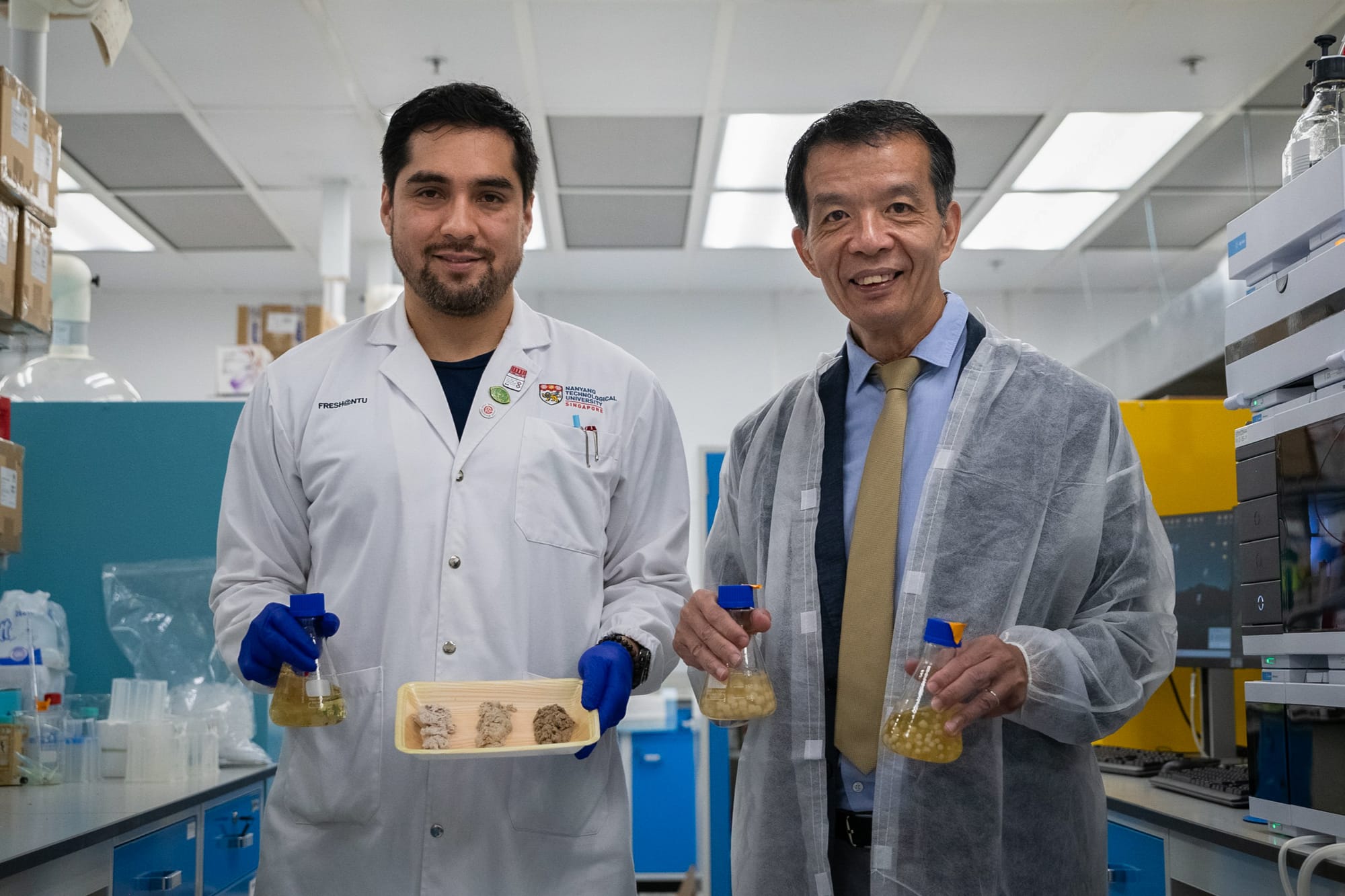
To reduce food waste, it is developing AI-assisted systems with Amazon Web Services to help predict and prevent microbial contamination in the food supply chain. The goal is to shift from the currently reactive food safety management to a proactive one, with earlier detection and mitigation, said Professor William Chen, director of NTU’s Food Science and Technology Programme.
Established alongside the Singapore Food Agency and A*STAR, the lab is also working with the World Health Organization on a new generation of food safety risk assessment tools and exploring ways to measure the nutritional benefits of emerging food sources.
Working with a major Japanese crabstick manufacturer whose products are sold at Don Don Donki, FRESH@NTU has been exploring the use of mushrooms as a substitute ingredient for seafood amid the anticipated future food shortages, said Prof Chen, who is also the director of FRESH@NTU.
Researchers at the lab – located within the School of Chemistry, Chemical Engineering and Biotechnology (CCEB) – are also exploring ways to upcycle food processing by-products, such as soybean residues, into sustainable protein sources.
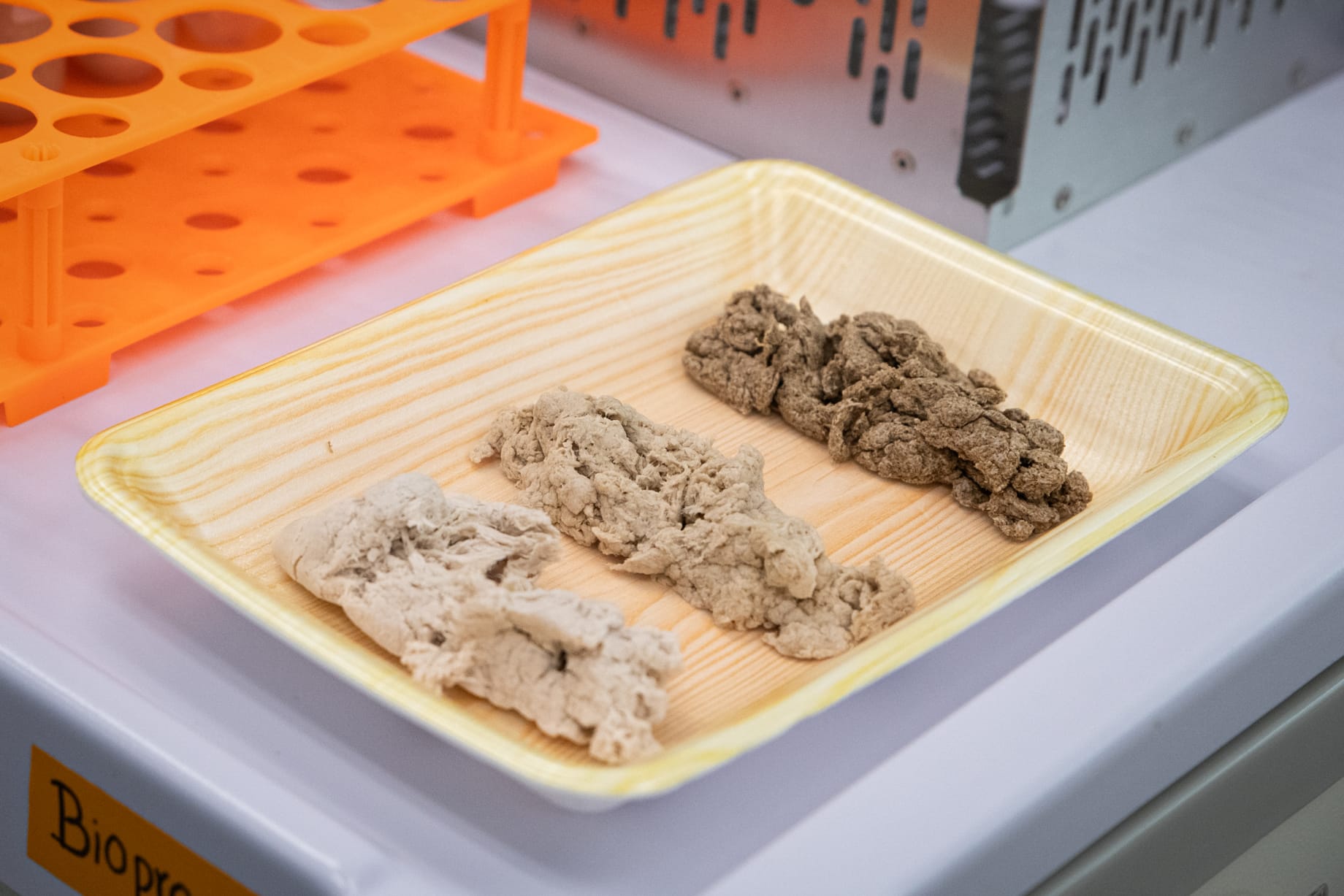
One such project looks at growing edible fungal biomass – a type of protein-rich ingredient that can be used in meat alternatives – using food by-products and waste streams. The aim is to create a more circular food system, where waste is repurposed instead of discarded, said Vargas Alfonso, a PhD student at CCEB.
“The vision (has always been) to generate a real impact by scaling these projects into real-world applications. However, at this point, I think we still need more information about the safety assessment we’re conducting to feel more confident about taking the next steps,” said Vargas.
Apart from research, NTU is also doubling down on education with a newly launched second major in Future Foods, aimed at equipping students across disciplines with skills to address Singapore’s food security needs.
Prof Chen said: “Food is something everyone gravitates toward… The key is to move in the right direction, even with limited resources, to develop solutions that truly meet Singapore’s needs.”