Communications school's founding dean remembered as visionary pioneer and champion for bilingualism
He spent fifty years helping shape media studies in Asia and guiding the development of Wee Kim Wee School of Communication and Information.
SINGAPORE – When an 18-year-old Eddie handed his university classmate a vinyl record of Norwegian composer Edvard Grieg’s Peer Gynt Suite, it was the prelude to a lifelong symphony. That classmate, Effie, would become his wife of 62 years, a union bound by a shared love for classical music.
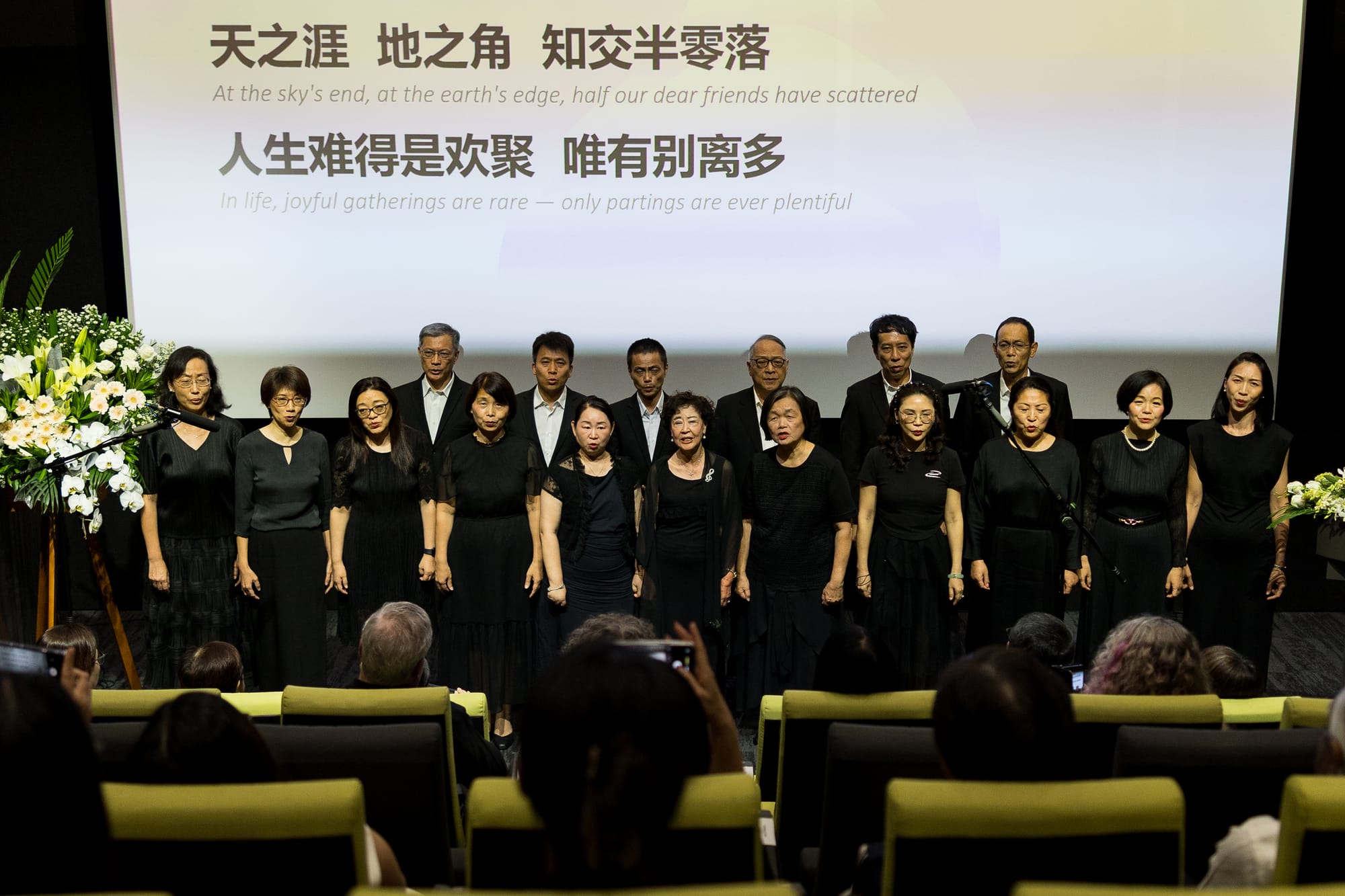
It was this same love that echoed through the Lee Foundation Lecture Theatre in NTU in April, as a 17-member choir from New Horizon Music Society sang Professor Eddie Kuo a final farewell.
Prof Kuo, a sociologist and the founding dean of the School of Communication and Information (now WKWSCI), died Mar 23 at 6.45 am at the age of 85.
His wife, now 85, told Lianhe Zaobao that his artificial heart valve had failed after more than 10 years of use.
Prof Kuo is survived by his wife, their two children and five granddaughters.
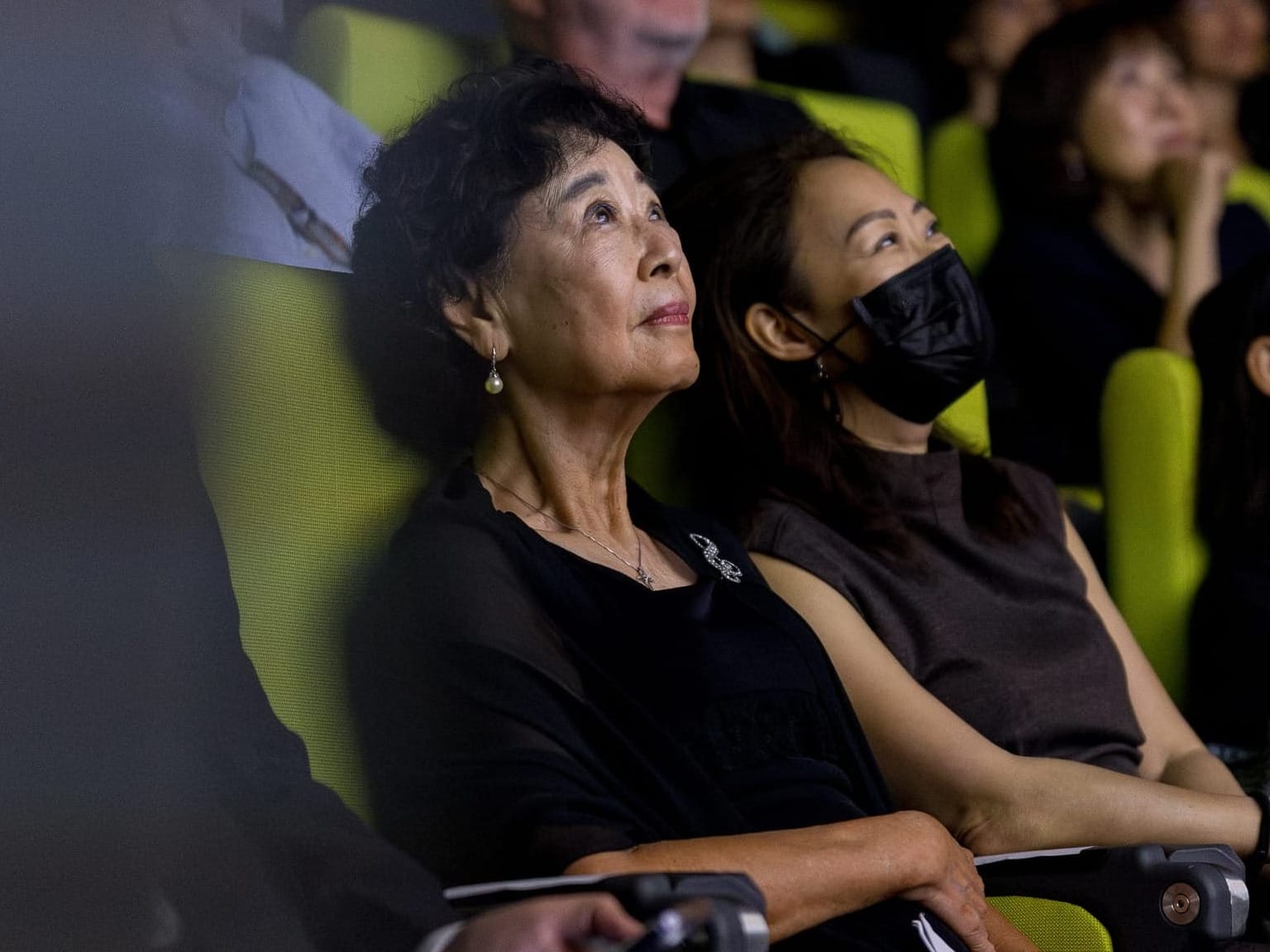
On 15 Apr, at least 80 colleagues, students, and alumni gathered at NTU's Lee Foundation Lecture Theatre to commemorate Prof Kuo’s life and legacy, with more tuning in online.
A pioneer and visionary
Born in Fujian and raised in Taipei, Prof Kuo completed his bachelor's degree there before moving to the United States for his master's and PhD. He taught at the University of Wisconsin before settling in Singapore in 1973 and becoming a citizen in 1982.
He served as Head of the Sociology Department from 1986 to 1990 and the Mass Communication Department from 1990 to 1992 at the National University of Singapore.
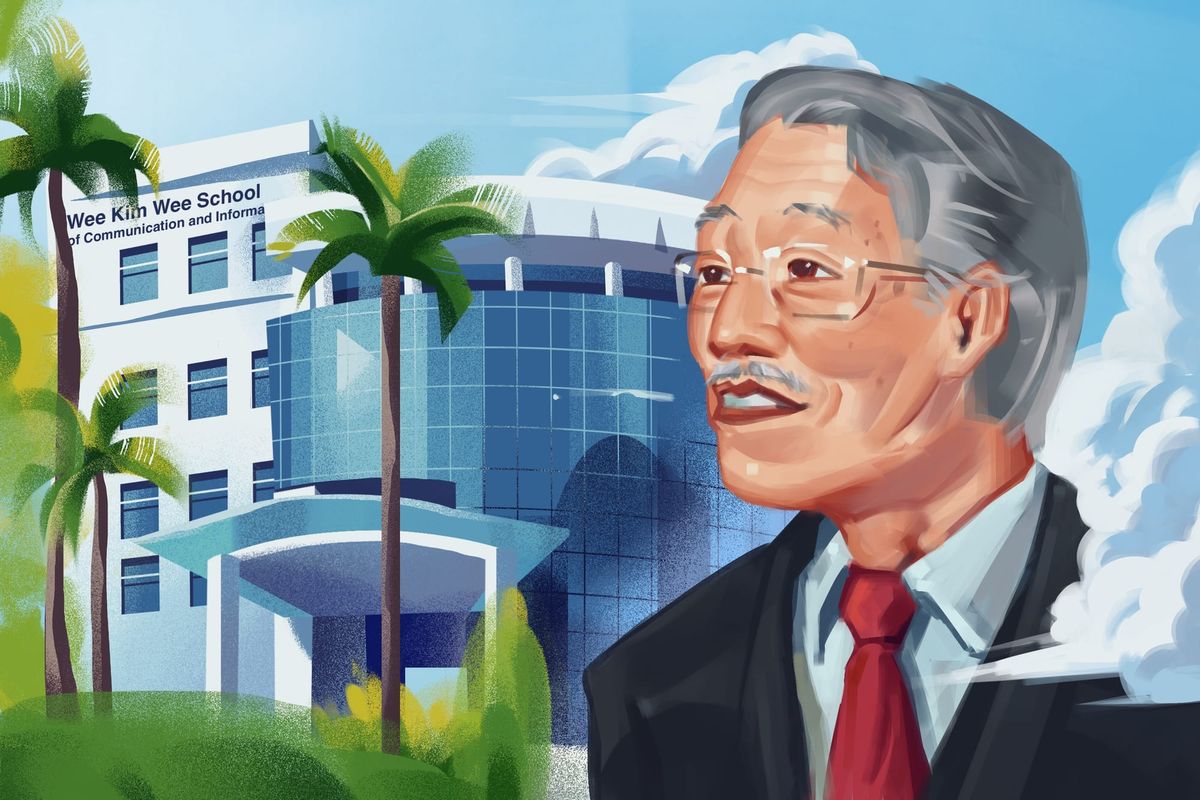
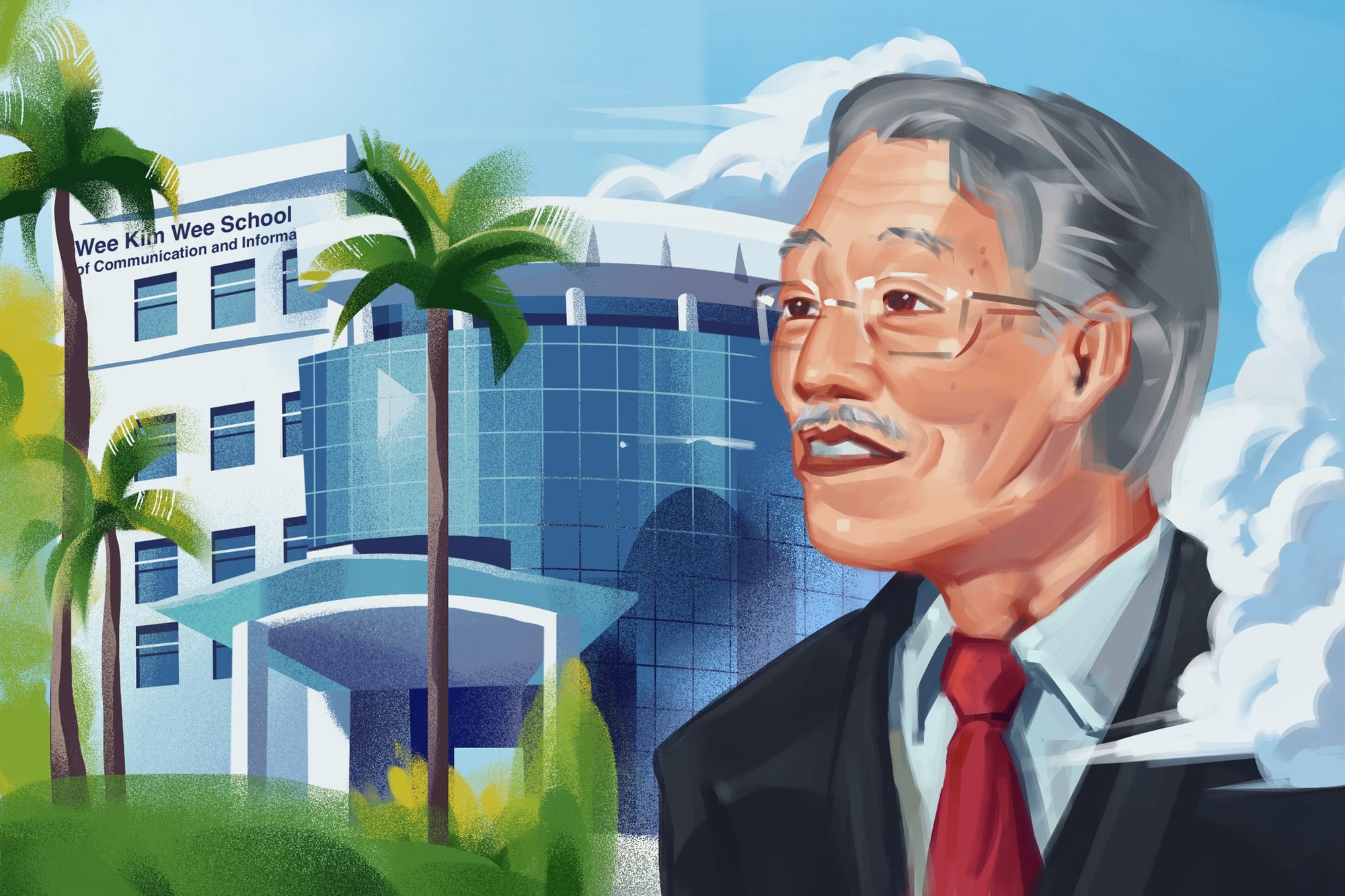
In 1992, he was handpicked to serve as the first dean of WKWSCI in NTU.
In its early days, the school did not have a dedicated building, with classes moving between the Chinese Heritage Centre and the university’s North and South spines.
Under his leadership, the school established strong foundations across advertising and public relations, broadcast and film production, journalism and media policy, and the study of communication technologies.
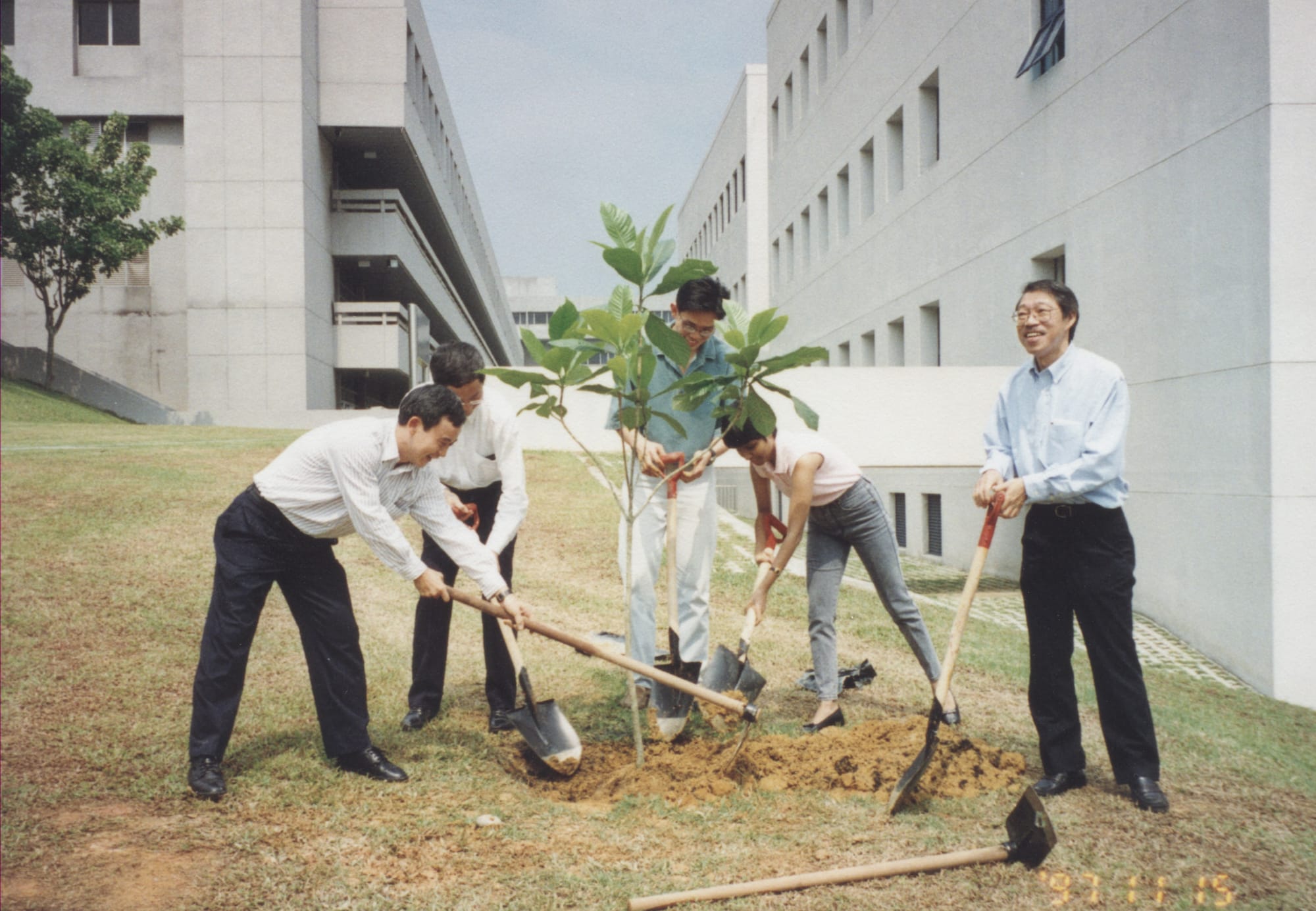
In 1996, the school moved into a new building at the western edge of NTU's Yunnan Garden Campus. The four-storey facility housed the latest radio and editing suites, dedicated studios, and Apple computers for publishing.
Professor Benjamin Detenber, a former chair of the school from 2008 to 2014, noted that Prof Kuo set the tone for how the school handled pressure.
He recalled an incident where two faculty members were found to have been using school facilities for undeclared private consultancy work for a major Singapore media corporation.
“He came down hard on those faculty members because they were doing something inappropriate,” said Prof Detenber. “But he didn't yell. He let them know that what they were doing was not to be repeated.”
It was typical of Prof Kuo’s temperament, he said. “Eddie had an equanimity about him. He was not easily perturbed. How you deal with a crisis is really one of the more telling moments in a person's professional life.”
A culture of kindness and empowerment
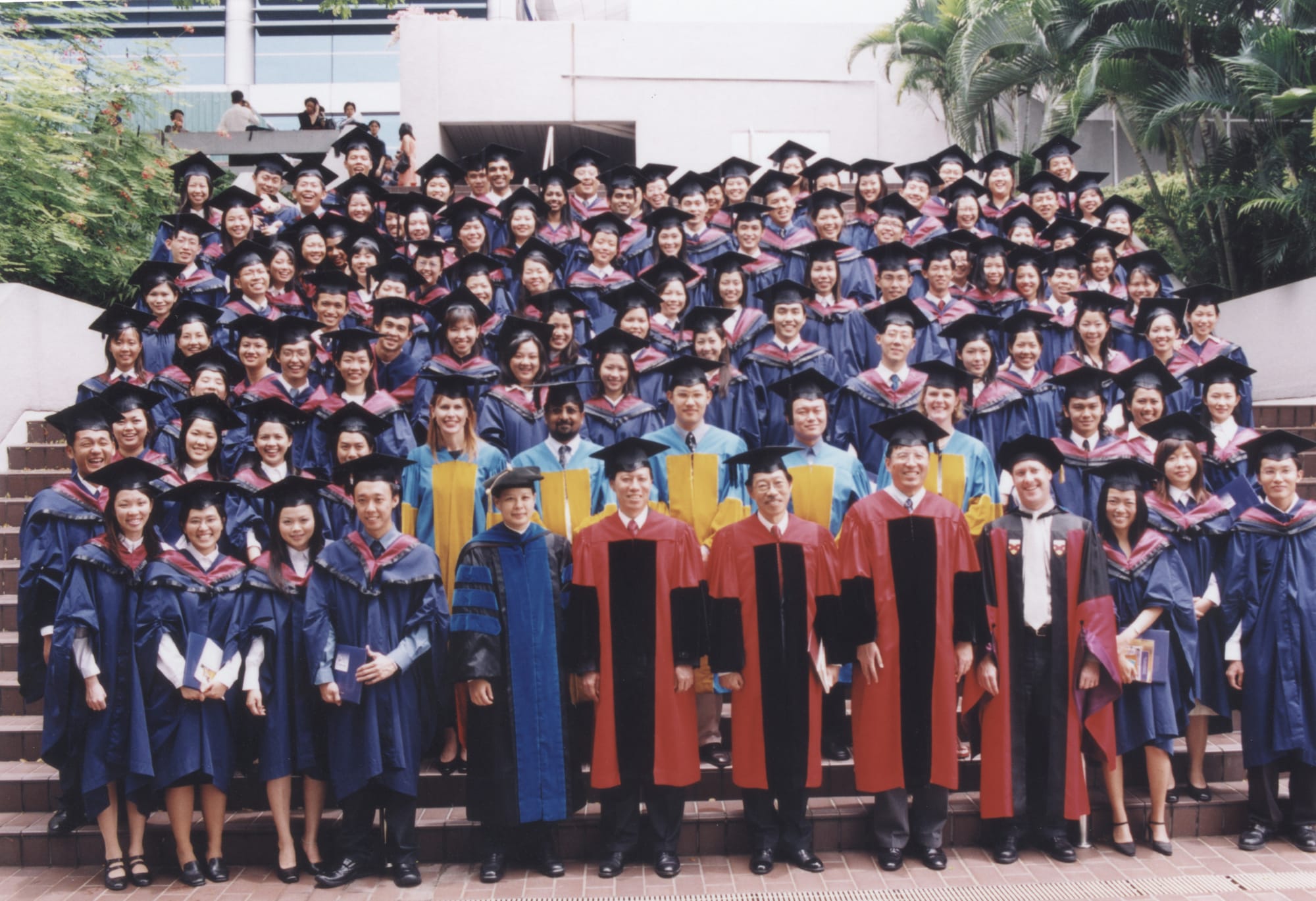
At WKWSCI, Prof Kuo was widely revered for fostering a culture of kindness and student empowerment.
Part of this foundational culture involved direct, unfiltered feedback. Professor Ang Peng Hwa, who succeeded Prof Kuo as dean of WKWSCI in 2003, recalled how Prof Kuo championed student empowerment by initiating end-of-semester “complaint sessions” in a town hall format.
“We met every semester, and all the complaints were addressed until there were no questions,” Prof Ang shared. “I think it helped the students. They learned a culture. It wasn’t just about having equipment or facilities. It was a feeling that, ‘I can do things, I can make a change in this place.’”
Bilingualism and beyond
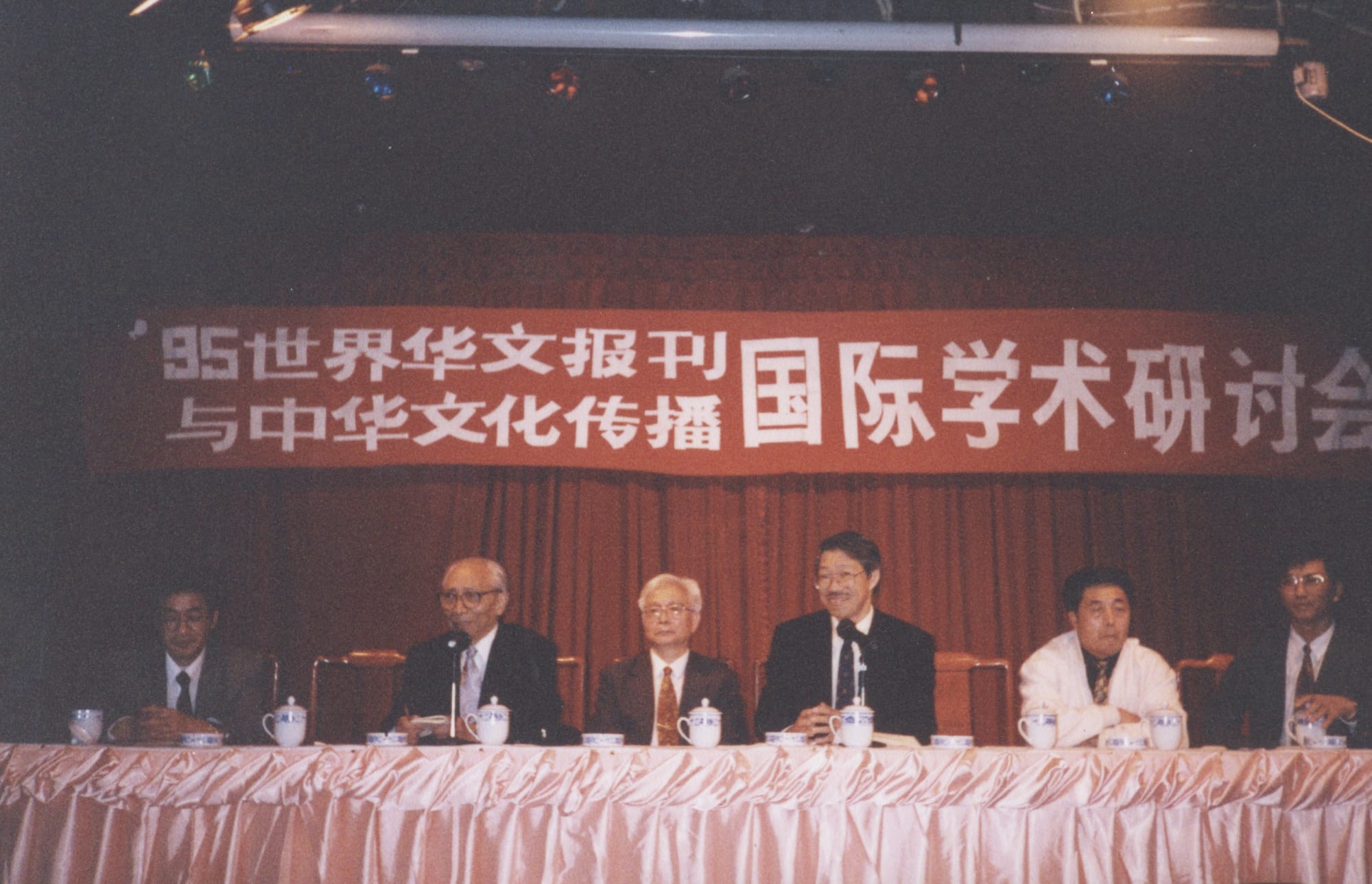
Beyond academia, Prof Kuo was an advocate for bilingualism, and more controversially, for the preservation of Chinese dialects.
In 2003, while chairing the Chinese-language television Programme Advisory Committee (PAC), he proposed the gradual reintroduction of dialects into local television, which had been restricted since 1981. The PAC argued that allowing dialect dramas during non-primetime hours would benefit older viewers without undermining the Speak Mandarin policy, as younger Singaporeans were already effectively bilingual.
The proposal faced parliamentary pushback. MP Ho Geok Choo warned it could erode Mandarin proficiency and prompt similar requests from other ethnic groups.
Then-Senior Minister of State Khaw Boon Wan cautioned that while dialects were not banned, concessions must not undermine the Speak Mandarin Campaign. He likened the campaign to pushing a rock uphill: “Some of us can now take [our] hands off the rock and perhaps listen to shan’ge (a genre of Chinese folk song) in dialect. But if everyone does that, the rock will immediately roll down the slope.”
The PAC’s proposals were ultimately not adopted.
The debate on dialects continued to surface in Parliament. In January 2024, MP Yip Hon Weng asked why dialect restrictions on free-to-air television persisted, noting that elderly viewers had limited access to pay TV. The Government said its policy remained to promote Mandarin, citing a 2023 study in which nearly seven in 10 respondents chose Mandarin. It added that it would lift restrictions when needed, as it had during the Covid-19 pandemic, to reach elderly dialect speakers with health information.
The issue resurfaced in June 2026 with Dear You, a Chinese film shot largely in Teochew. Its Singapore run sparked debate after the original Teochew version was limited to special screenings, which quickly sold out and prompted additional screenings. The episode renewed questions Prof Kuo had raised two decades earlier: whether dialects could have a place in public culture without undermining Singapore’s bilingual policy.
He became known among Mandarin-speaking university students in 1993 after serving as a judge for the first International Varsity Debate, jointly organised by the Singapore Broadcasting Corporation and China Central Television.
The grand final saw National Taiwan University debate Fudan University on whether human nature is inherently good. Footage of the final on YouTube shows Prof Kuo in the front row of the judges' panel in a packed auditorium. He could be seen scribbling notes intently as the debaters sparred.
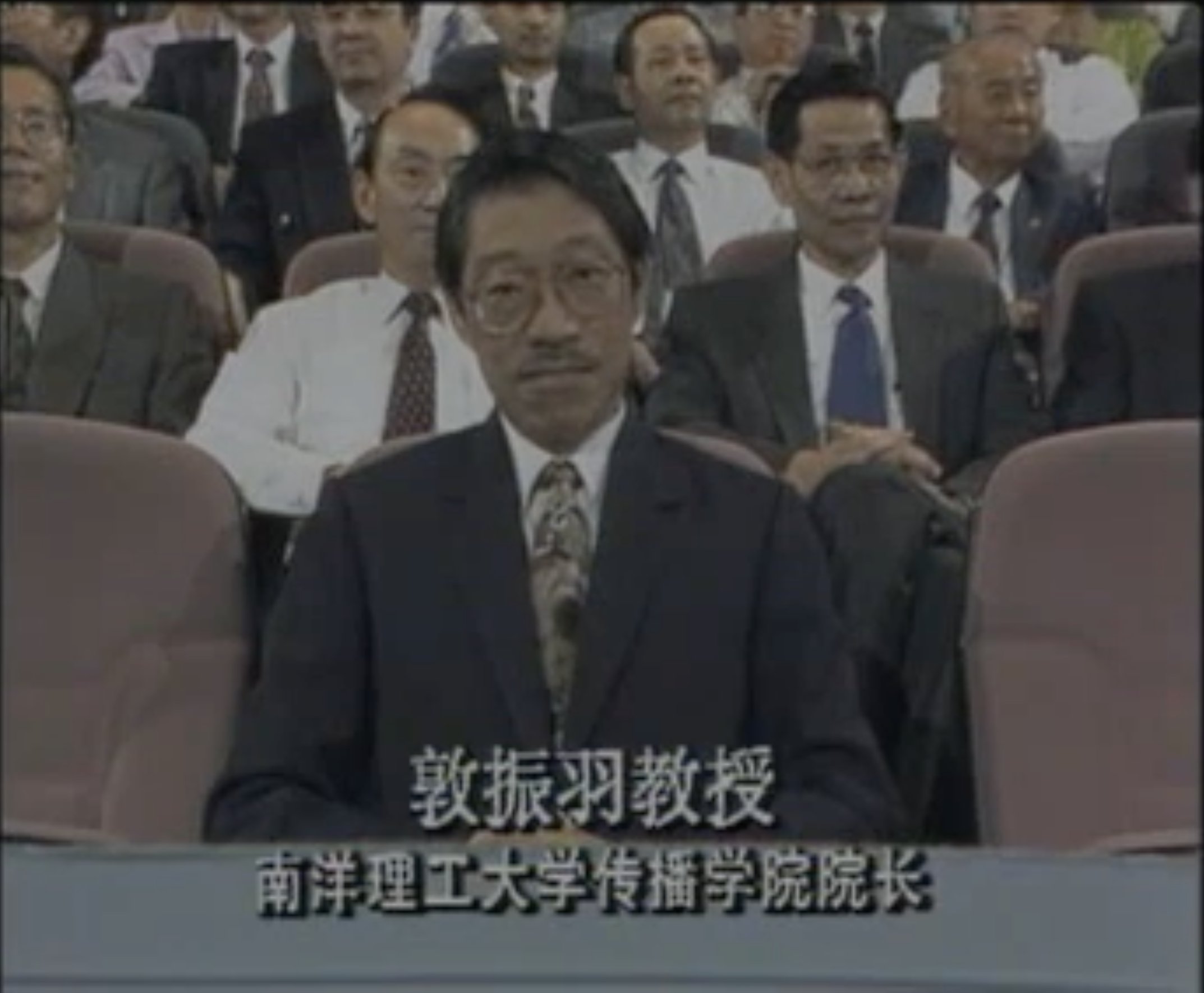
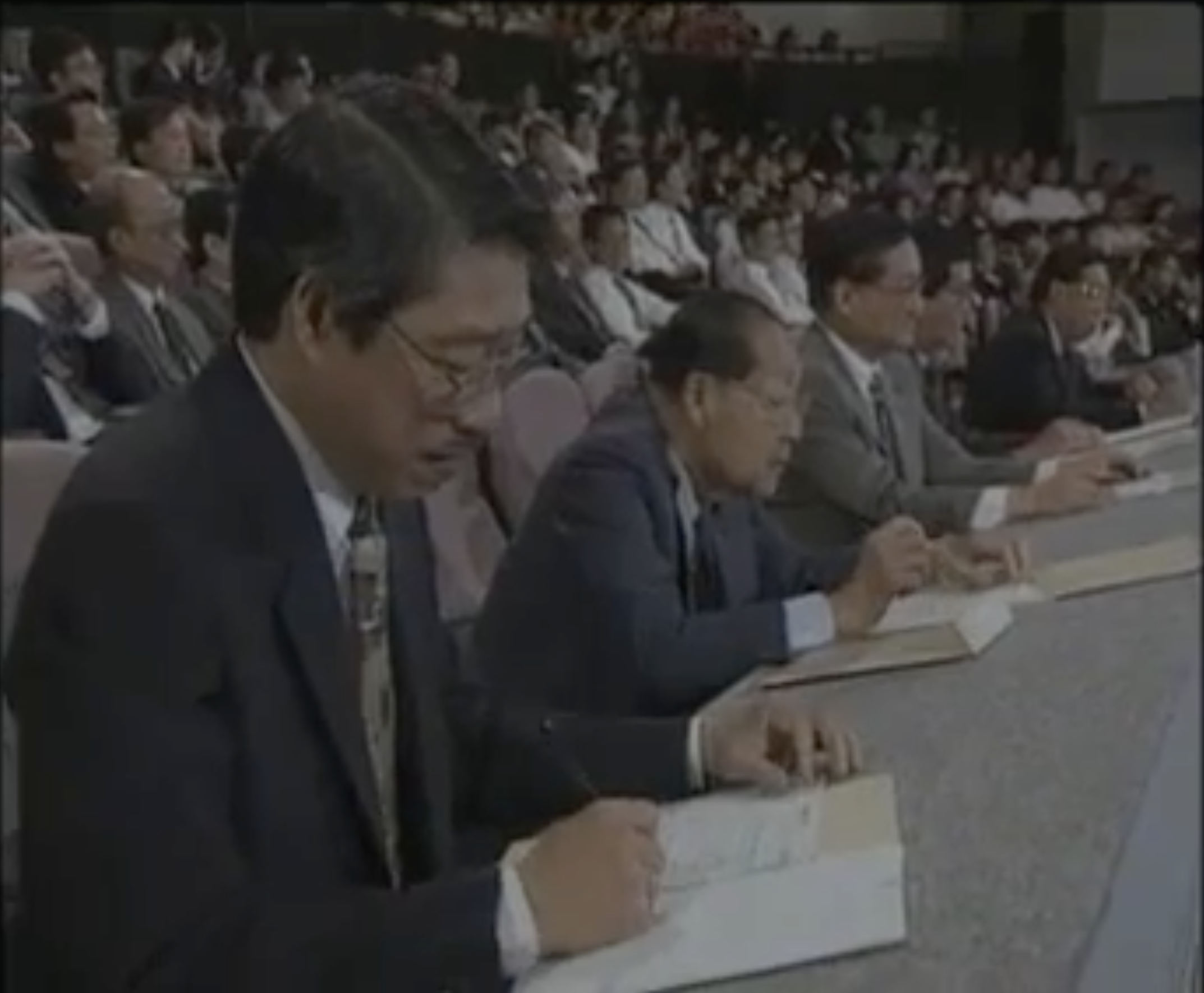
For Ms Lee Huay Leng, editor-in-chief of SPH Media’s Chinese Media Group, that broadcast was a formative moment. Then a secondary school student, she was struck by how eloquent he was. “While others were engaged in heated verbal battles, his calm and collected analysis of both the affirmative and negative teams’ performances left me with a very positive impression of sociology scholars.”
She came to see Prof Kuo as a pioneer among Singapore's Chinese-speaking public intellectuals — someone who weighed in on sensitive topics like the Speak Mandarin Campaign and Chinese cultural identity, and chaired government advisory committees.
“He always maintained his grace and composure when expressing his stance,” she said. “He used academic principles to guide discussions, demonstrating an intellectual's profound care for society while consistently maintaining his own independence.”
His leadership and influence extended beyond his primary appointments. He served as chairman of the Asian Media Information and Communication Centre in Singapore, and later, in 2012, took on the role of inaugural director of the Centre for Chinese Studies at the Singapore University of Social Sciences.
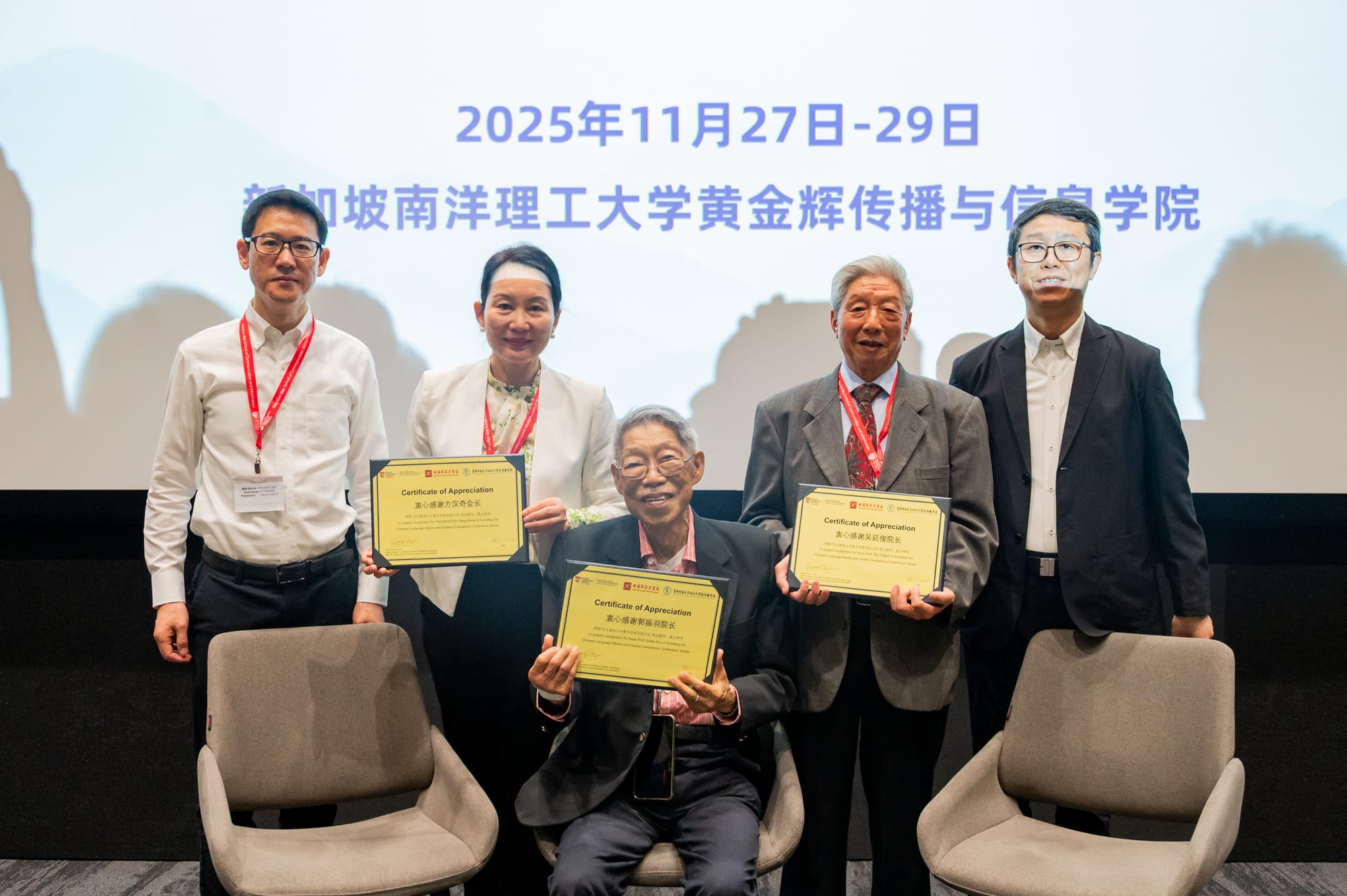
Even after retirement, Prof Kuo remained active in the Chinese cultural community and continued to shape public discourse on language and identity.
His 2022 book Unity in Diversity: Language and Society in Singapore, co-authored with Futeng Luo, was named one of the 10 best non-fiction Chinese books of the year by Asia's leading Chinese-language newsweekly, Yazhou Zhoukan. Drawing on census data and historical records, it traced how Singapore's language policies since independence had reshaped the linguistic practices of its ethnic communities. An English translation was published in 2025.
Final Words of Wisdom
Prof Kuo’s intellectual vigour remained sharp until his final days.
When Ms Lee visited the hospital on Mar 20, her conversation with Prof Kuo turned to Singapore’s multiracial identity and its place within the broader Chinese cultural sphere.
Ms Lee shared her hopes of engaging other language communities to promote mutual understanding, noting that retaining the cultural roots of Chinese Singaporeans does not contradict the country’s multiracial and multicultural ethos.
Taking this in, Prof Kuo, with great effort, offered a final observation: “Many things are the result of hard work. They do not exist inherently.”