NTU study on Messi-Ronaldo preference attracts global attention during World Cup season
The international survey was even mentioned in an Australian parliamentary address.
SINGAPORE — As fans across the globe tune in with bated breath to the 2026 World Cup, a study led by NTU has been making waves on social media.
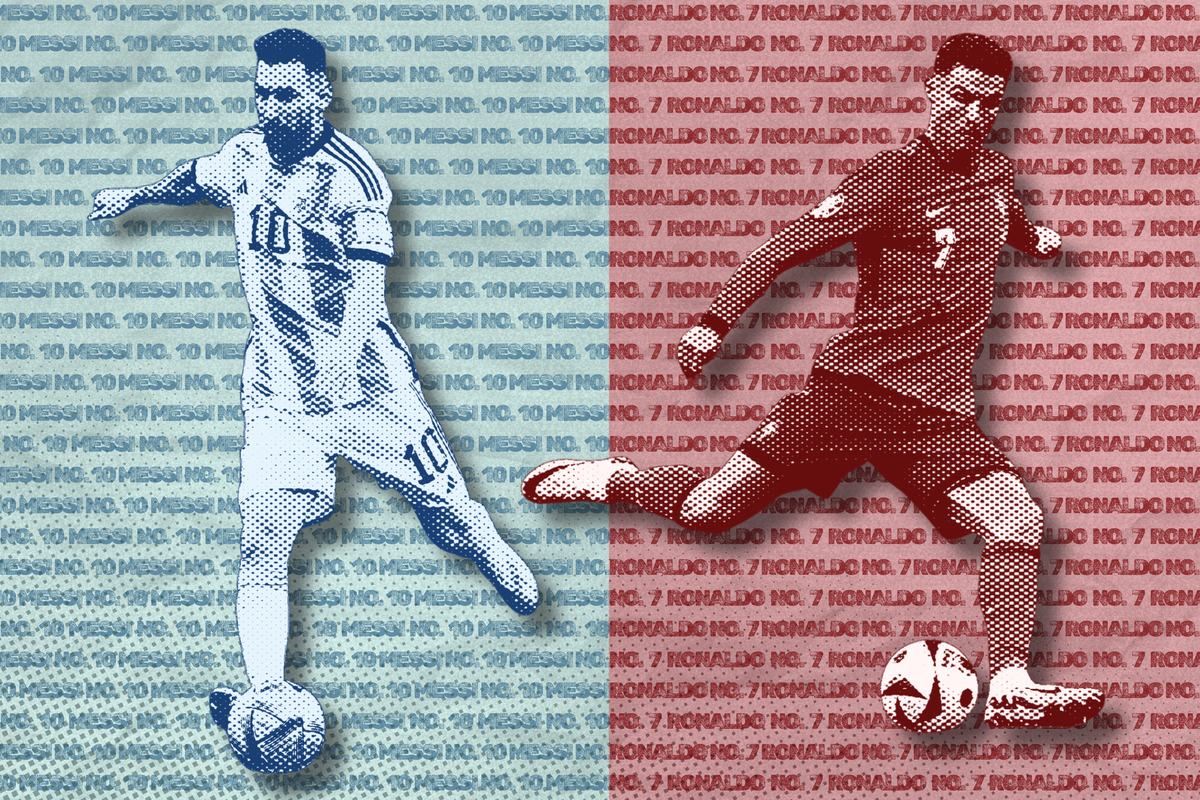
Led by Associate Professor Saifuddin Ahmed from the Wee Kim Wee School of Communication and Information in NTU, the online survey of over 10,000 respondents across 26 countries sought to determine whether one’s preference between footballers Lionel Messi and Cristiano Ronaldo may be associated with their political ideology.
Since a preprint of the study was released on 19 June, it has been cited in over 60 countries by more than 250 media outlets including the New York Times’ the Athletic and Italy’s Corriere della Sera. An Instagram reel by the Athletic’s Tifo Football garnered 1.5 million views in just two days, while another by CNA hit 100,000 in one day.
“I did hope that it would get media attention but I did not think it would be at this scale,” Prof Saifuddin, 40, said.
He had spent the past weeks responding to comments on media platforms such as Reddit and Twitter. In one response to an online user who remarked that Messi is clearly the more remarkable player for anyone who has seen both athletes on the field, Prof Saifuddin playfully replies that fortunately he has in fact seen both play.
“I (want) people to know what the findings are, but more than that actually I wanted to talk to people,” he said.
Prof Saifuddin’s decision to pursue the study stemmed primarily from a place of personal curiosity.
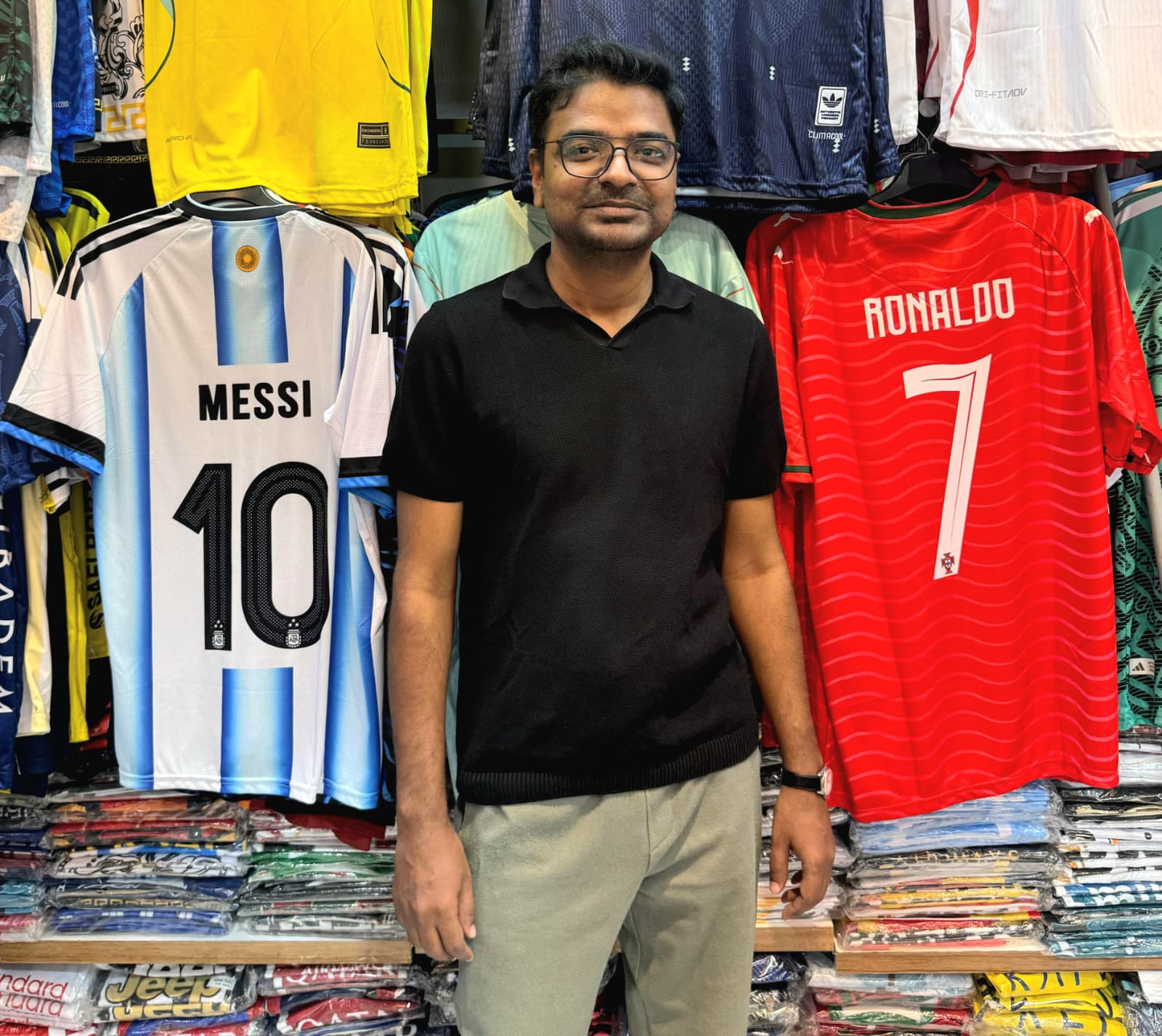
“I am a huge football fan myself and I have watched people argue about both Messi and Ronaldo with an intensity that has (little) to do with the goals they have scored,” he said.
Messi and Ronaldo are widely considered to be among the greatest football players in history and their rivalry is one that has been and continues to be incessantly debated by football fans across the globe.
The study found that more liberal respondents tended to choose Messi while more conservative ones favoured Ronaldo. The effect was most prominent among younger respondents.
The study suggests that the link between political identity and preference rests on the public image each player projects. According to the study, Messi is characterised as “quiet, deferential, family-oriented, and team-first” while Ronaldo is “individually dominant, openly self-promotional, and explicit about personal excellence”.
In response to online comments that teasingly speculated that he must be a Messi fan himself, Prof Saifuddin laughed and admitted that he is actually a fan of Ronaldo.
Australian member of parliament Ben Small cited the study’s findings in an address to parliament on June 23. Small had drawn on the findings of the study to suggest that the Australian public’s support for Ronaldo over Messi may be indicative of principles that resonate with them, such as the belief that “effort must lead to reward”.
“We don’t know who they are in their real lives,” Prof Saifuddin said, “The public creates an image of (Messi and Ronaldo) in their minds which is based on media projections and public behaviour.”
The study stirred much online discourse among football fans.
While some concur with its findings, others vehemently deny its implications. Some users in particular argue that conversations about politics should not be brought into those about sports.
“Football is one of the sports which is deeply embedded into politics across cultures,” Prof Saifuddin said, “I’m not just talking about these two players.”
He also highlighted that the association between political ideology and cultural preference is one many people remain largely unaware of.
“In everyday choices that we make, we are not actively thinking about our religion, about our culture, but we (continue) making those choices,” he said.
The study is currently under peer review for publication in a scientific journal, according to a news release by NTU.