Room to fail, space to grow
High booth rental can make commercial art fairs a costly gamble for young artists, while NTU markets offer free booths to test what sells

Room to fail, space to grow
High booth rental can make commercial art fairs a costly gamble for young artists, while NTU markets offer free booths to test what sells
SINGAPORE — The first time Shiow Wan Ni rented a booth to sell her art in 2024, she made a loss of nearly $200.
The then first-year School of Art, Design and Media (ADM) student laid out posters of block-printed mushrooms, hand-sewn felt brooches of cats and rabbits, and crocheted rings on a foldable table. No more than a square metre in area, her booth was part of Night at Orchard, a monthly street bazaar along the shopping belt.
But as shoppers browsed or walked past without buying anything, she began to doubt whether her art was good enough to sell.
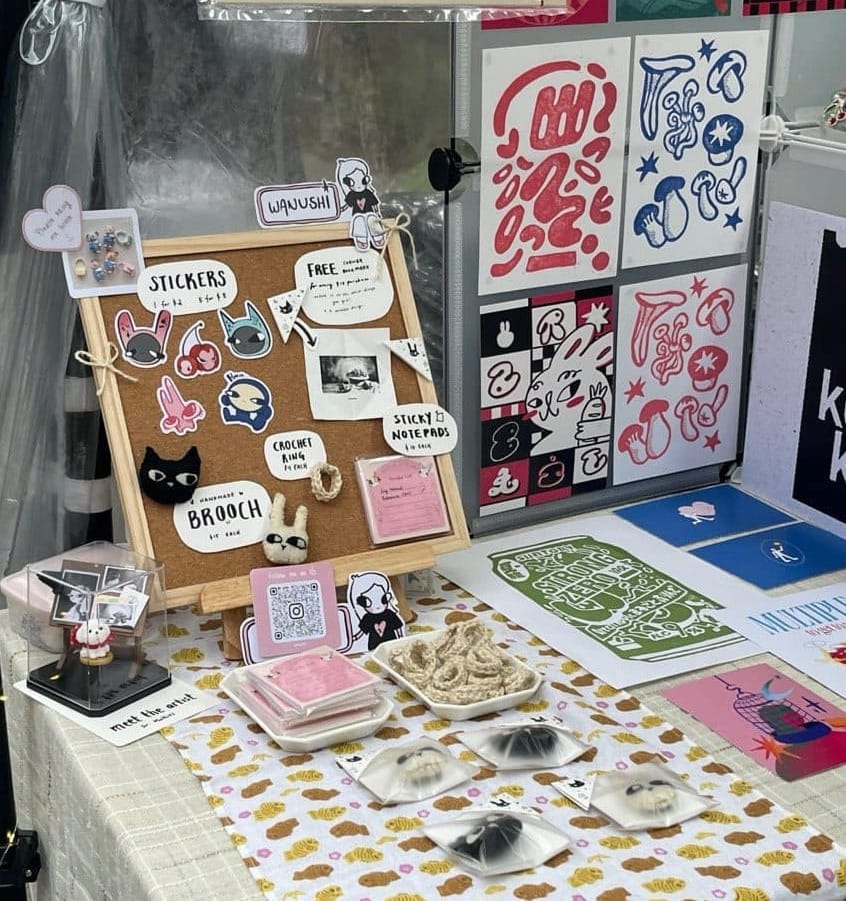
Despite making some sales, her earnings were not enough to cover production costs and her share of rent for the three-day booth, which she shared with several others.
Wan Ni, now 25, described the experience as having a “lack of room for failure”. Besides costs, she also had to manage the logistics of setting up her stall and finding someone to man it whenever she stepped away.
“Unless you’re quite established, I don’t think it’s manageable,” she said. “I know some who do break even or make a profit out of it. But I think it’s harder for people like me who are not too seasoned.”
This is despite commercial art markets drawing large crowds in recent months, with the three-day Mercury Festival in June drawing 32,000 visitors — averaging about 11,000 per day, up from 6,000 per day during its previous run.
Artists whom the Chronicle spoke to said booth rental fees across various art fairs averaged between $300 and $500, with those in central locations like Suntec Singapore on the pricier end.
For young artists trying to break into Singapore’s bustling art market scene, such fees can cost a pretty penny, with no guarantee of making that money back. Free campus art markets in NTU have become places where students test their products’ marketability and gain experience, without these high monetary risks.
A space to experiment
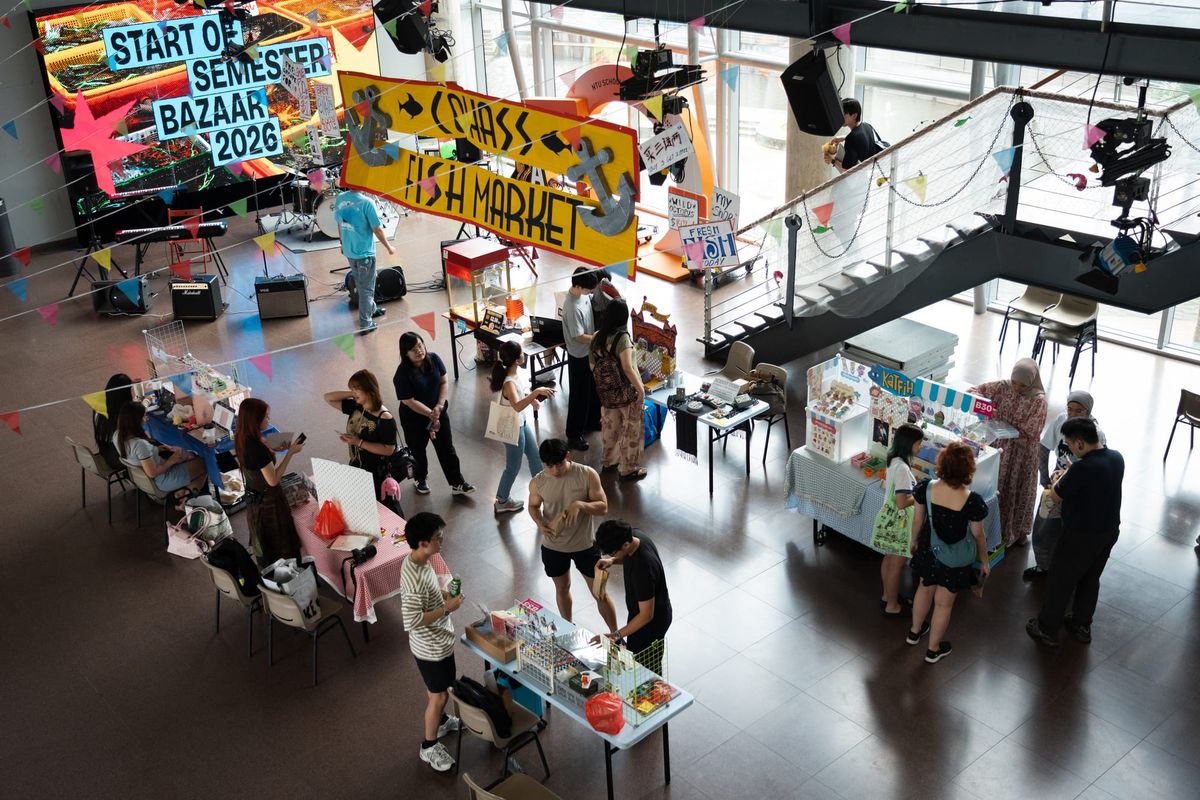
These university-based art markets are often organised as part of larger events like the ADM Start-of-Semester Bazaar and CoHASS Day, which are concurrent back-to-school events.
Beyond the art school, students from other faculties have also expressed interest in setting up booths at ADM events, said former ADM Student Club social director Nurfadlin Fazirah, 30, who organised the event in AY2025/26.
She added, however, that organisers haven’t always been able to accommodate them due to limited manpower and space. Still, university-wide markets such as the NTU Arts Festival remain an avenue for students to sell their work.
With most NTU art markets being free to sell at, students have a low-stakes environment to test various offerings.
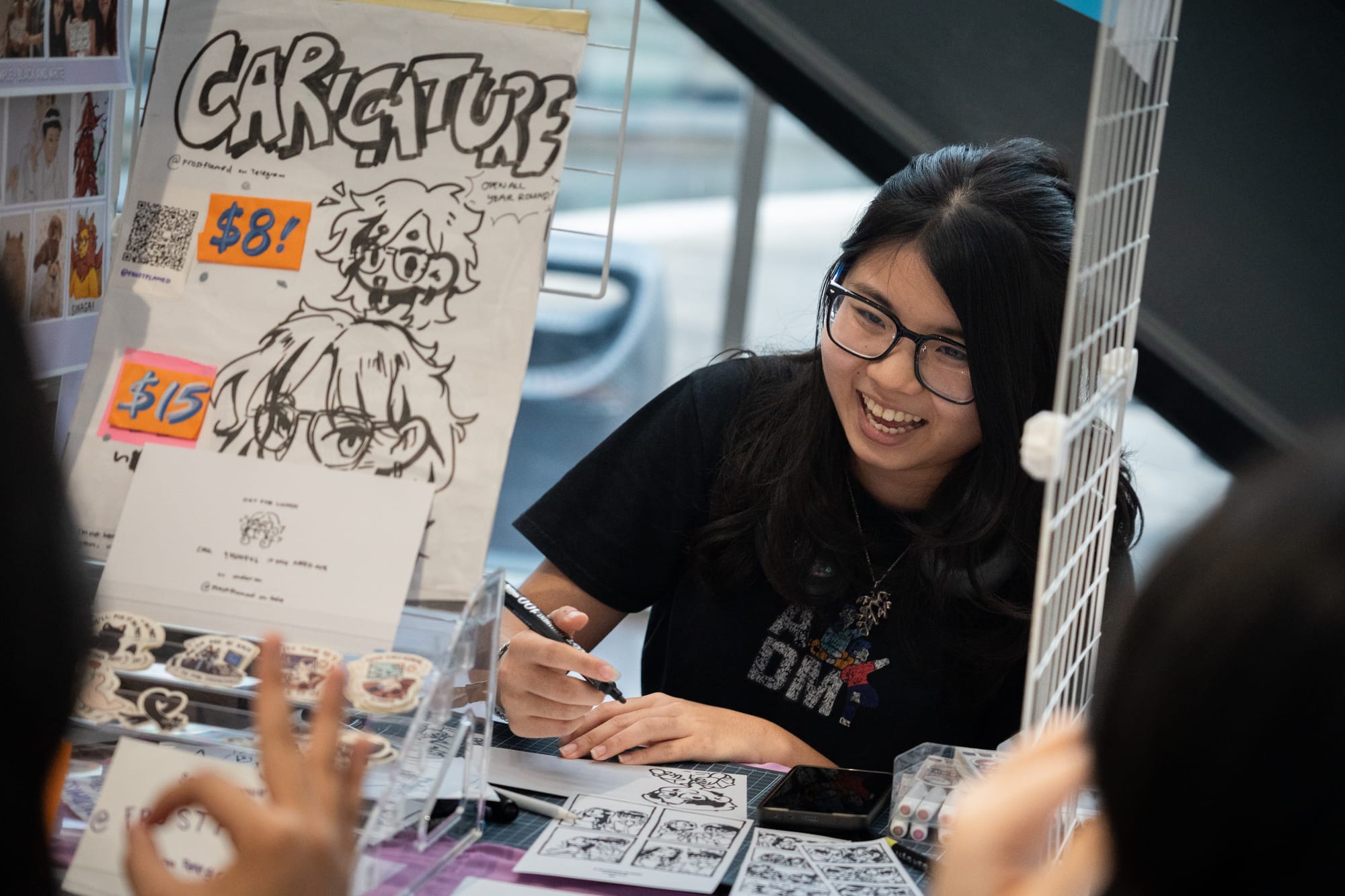
NTU alumna Janell Wee, 23, has sold at a total of 10 art markets in the university, dabbling in stickers, jagua tattoos, aura readings and nail art.
“Every time a new market came up in ADM, I would try to sell something new just to see if it felt like something fun,” she said.
While raising funds for her student film, she found that live caricature drawing was most effective in driving profits, and eventually specialised in it when she ventured into commercial fairs.
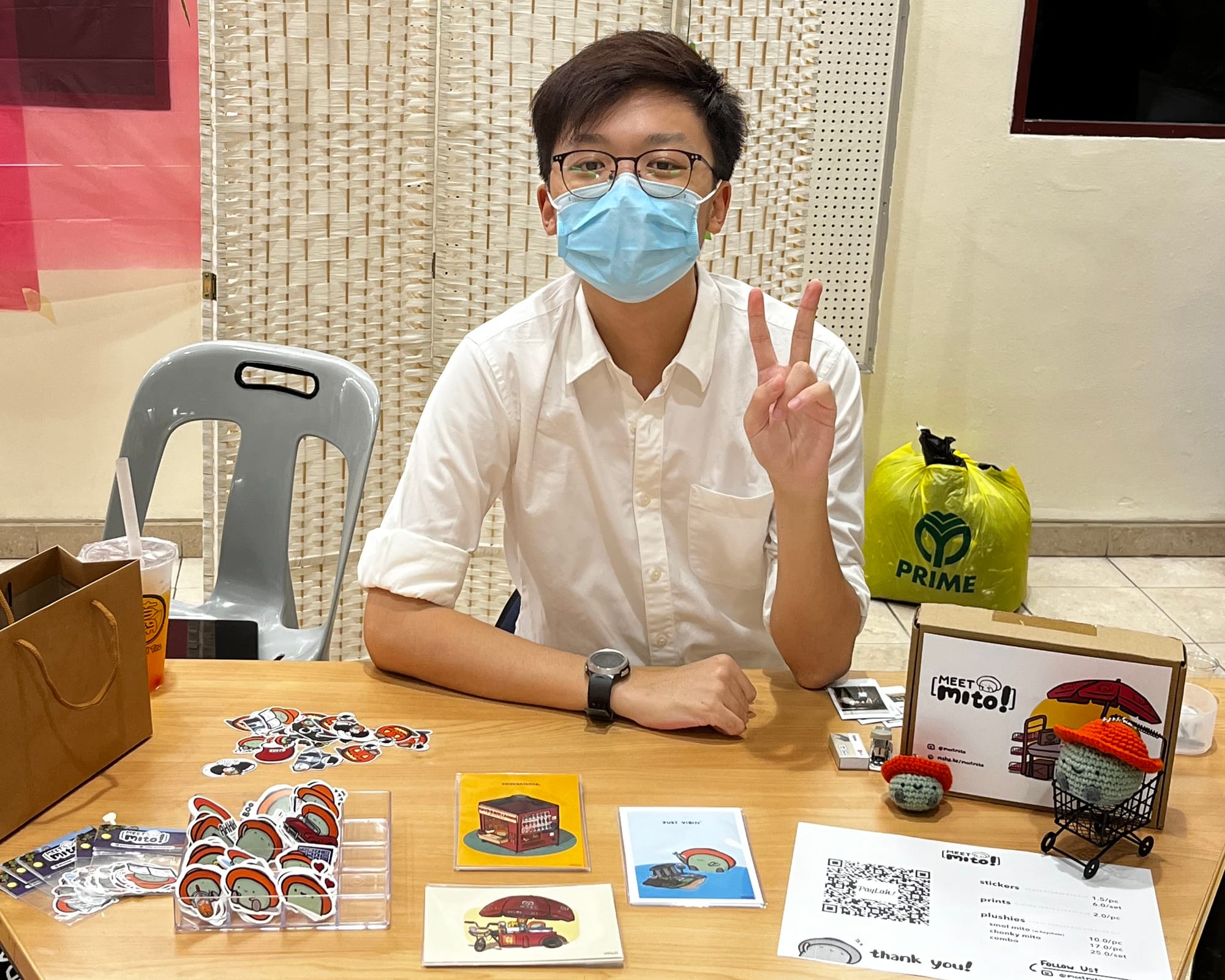
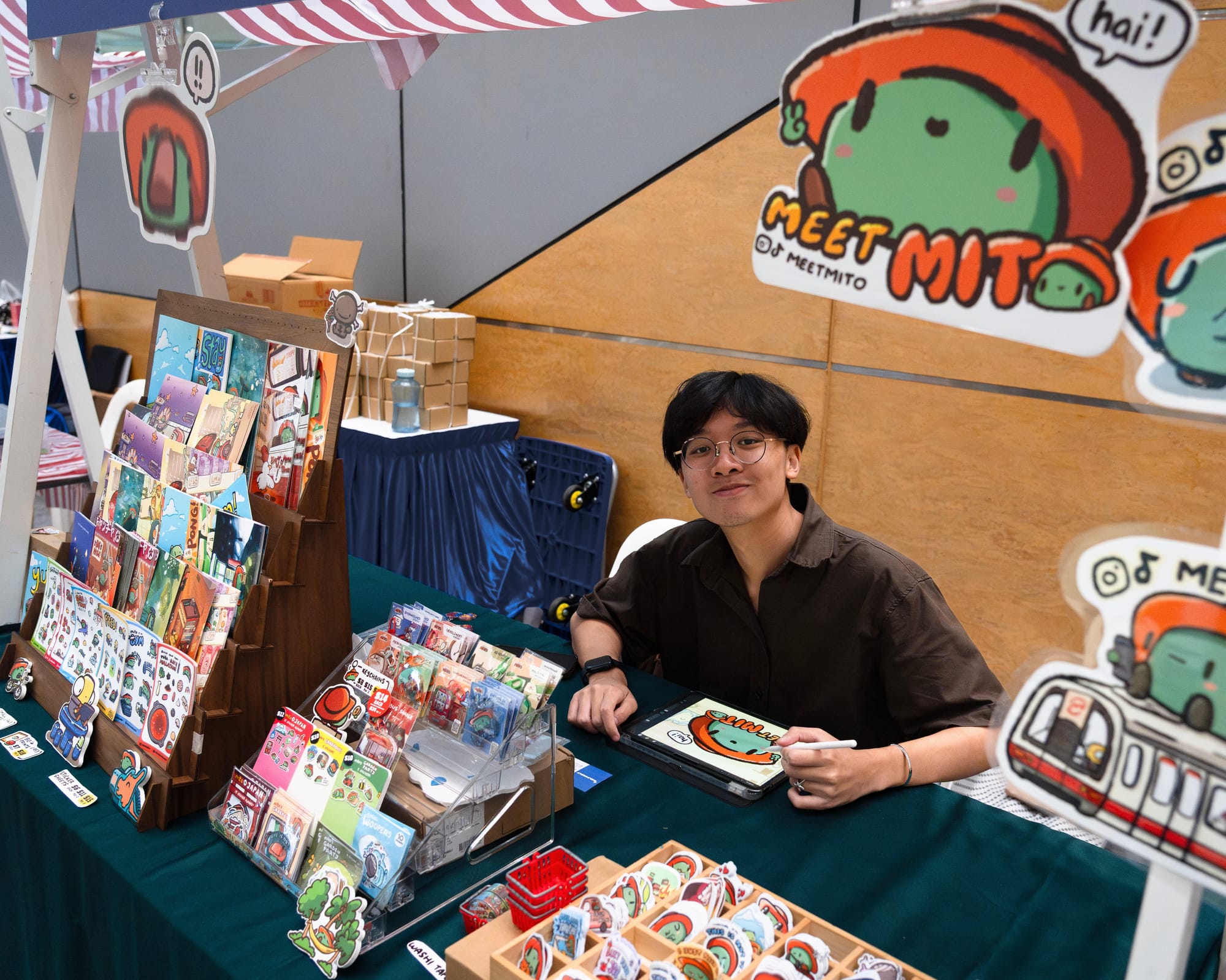
Likewise, NTU markets gave local artist Ho Jun Sheng, 28, the assurance to start selling outside, and even pursue his art full-time.
He first sold his work five years ago at an NTU Hall 15 event, where he could set up a booth for free. The then School of Biological Sciences student made $50 selling his work. As he went on to sell at other NTU events, he scaled his business to offer a wider range of prints, sticker designs and other merchandise like keychains.
“Based on my school events, I could see that people my age and my peers around me could connect well with my art. That really gave me the confidence to venture out to more events outside,” said Ho.
But taking that step beyond campus comes with financial risks.
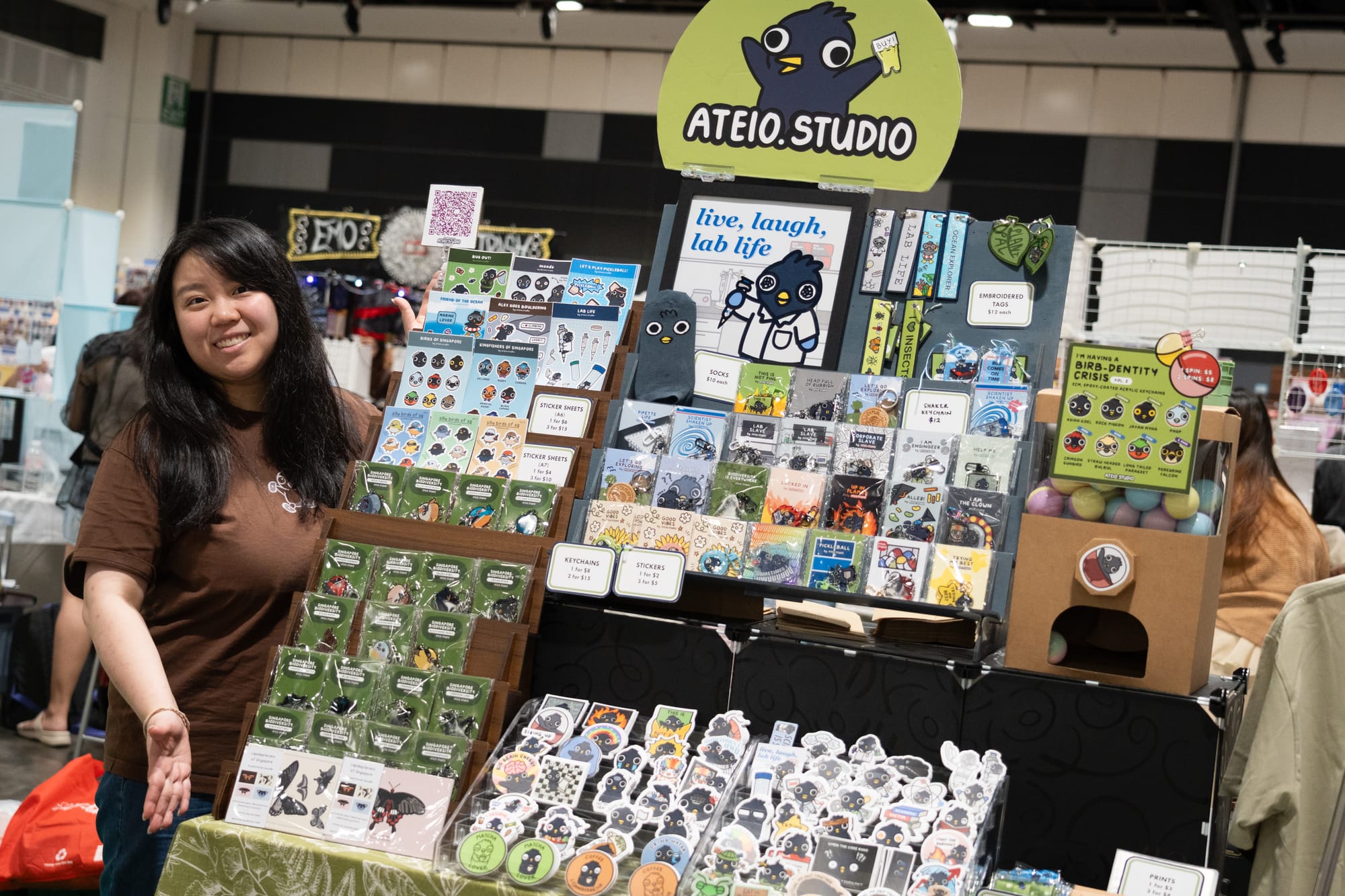
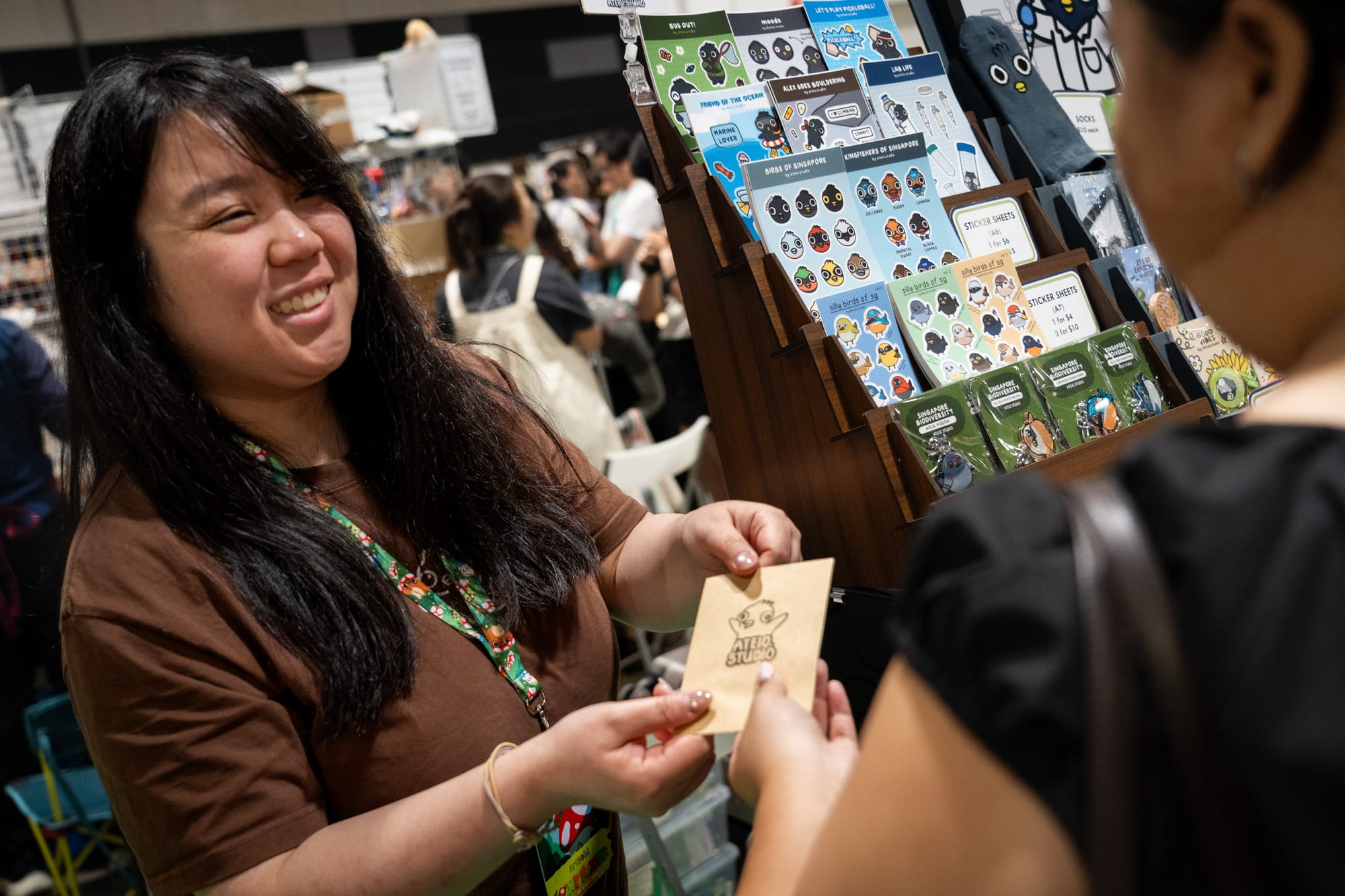
At art market Artsobi, which was held at Suntec Singapore Convention and Exhibition Centre this August, NTU PhD student Zann Teoh, 26, paid nearly $700 for a premium booth. This gave her a 2m by 2m space to display her products, whereas vendors renting standard booths at $600 were limited to the 1.8m by 0.6m table provided.
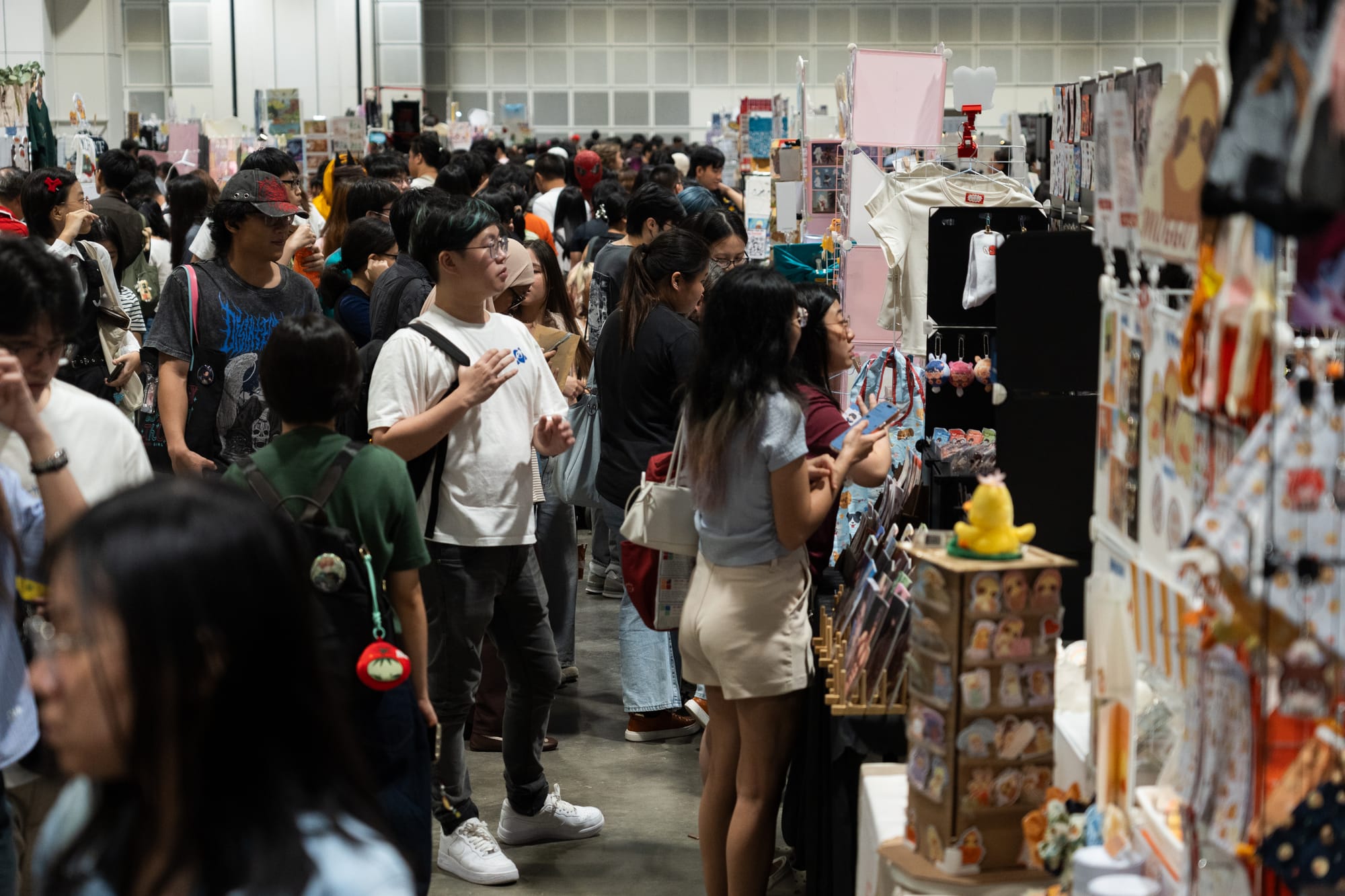
“It does add some pressure when the cost is expensive. $700 in booth fees means having to get over $1,000 to $1,200 in revenue before we can even break even and start to profit, as we need to factor in other booth-associated costs like manufacturing, transport and food,” she said.
“That is like selling 600 stickers in a single weekend.”
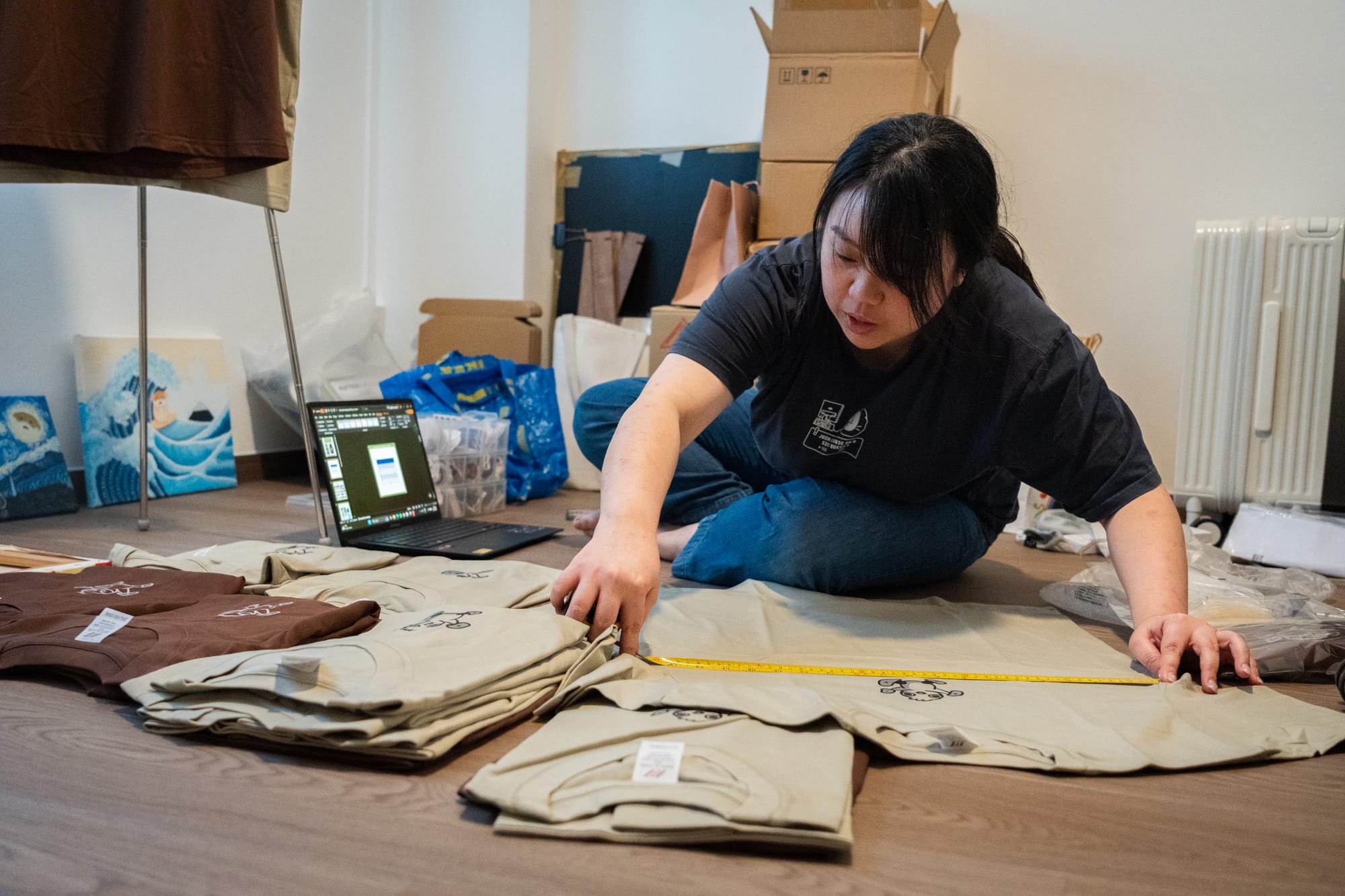
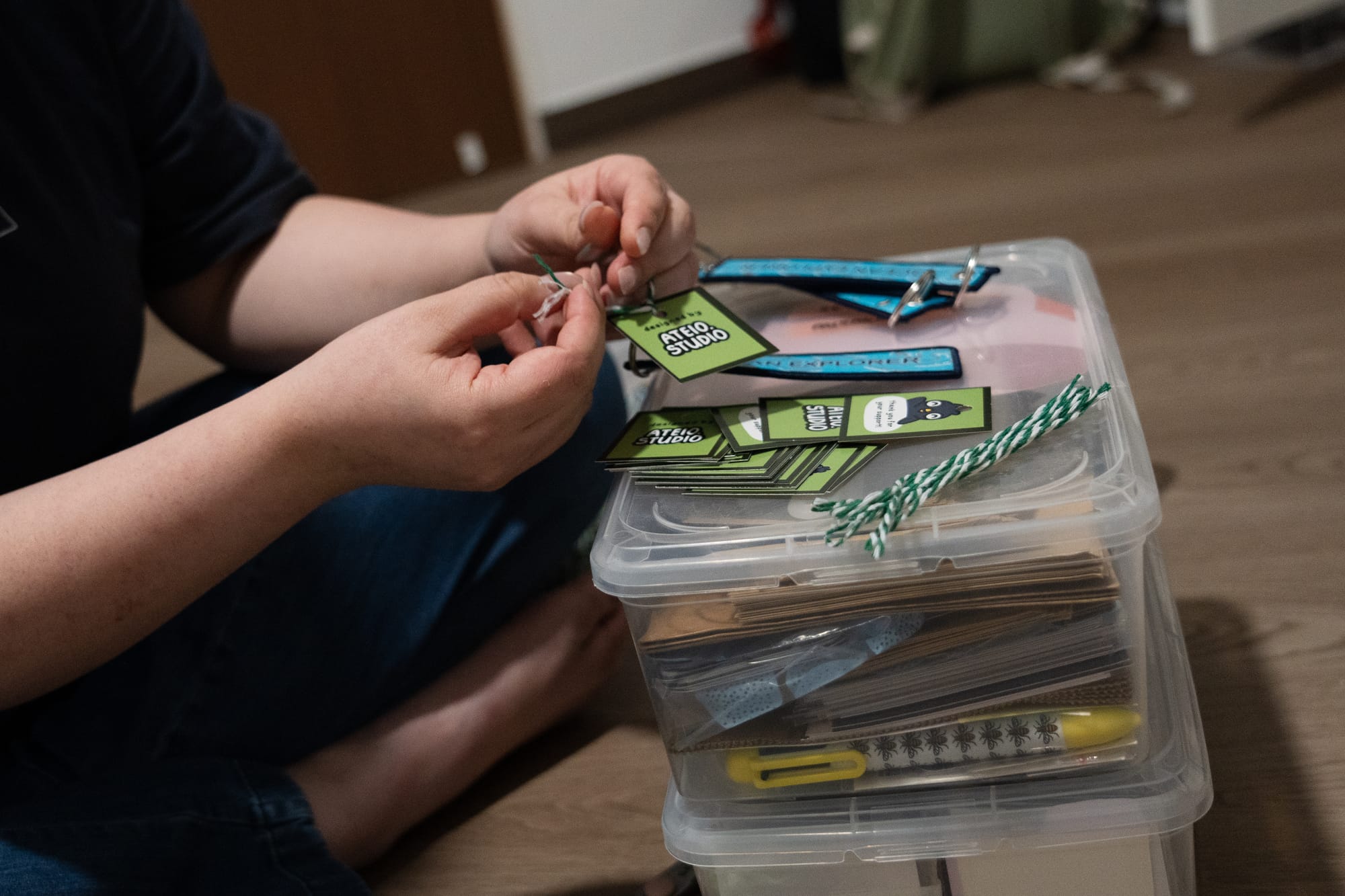
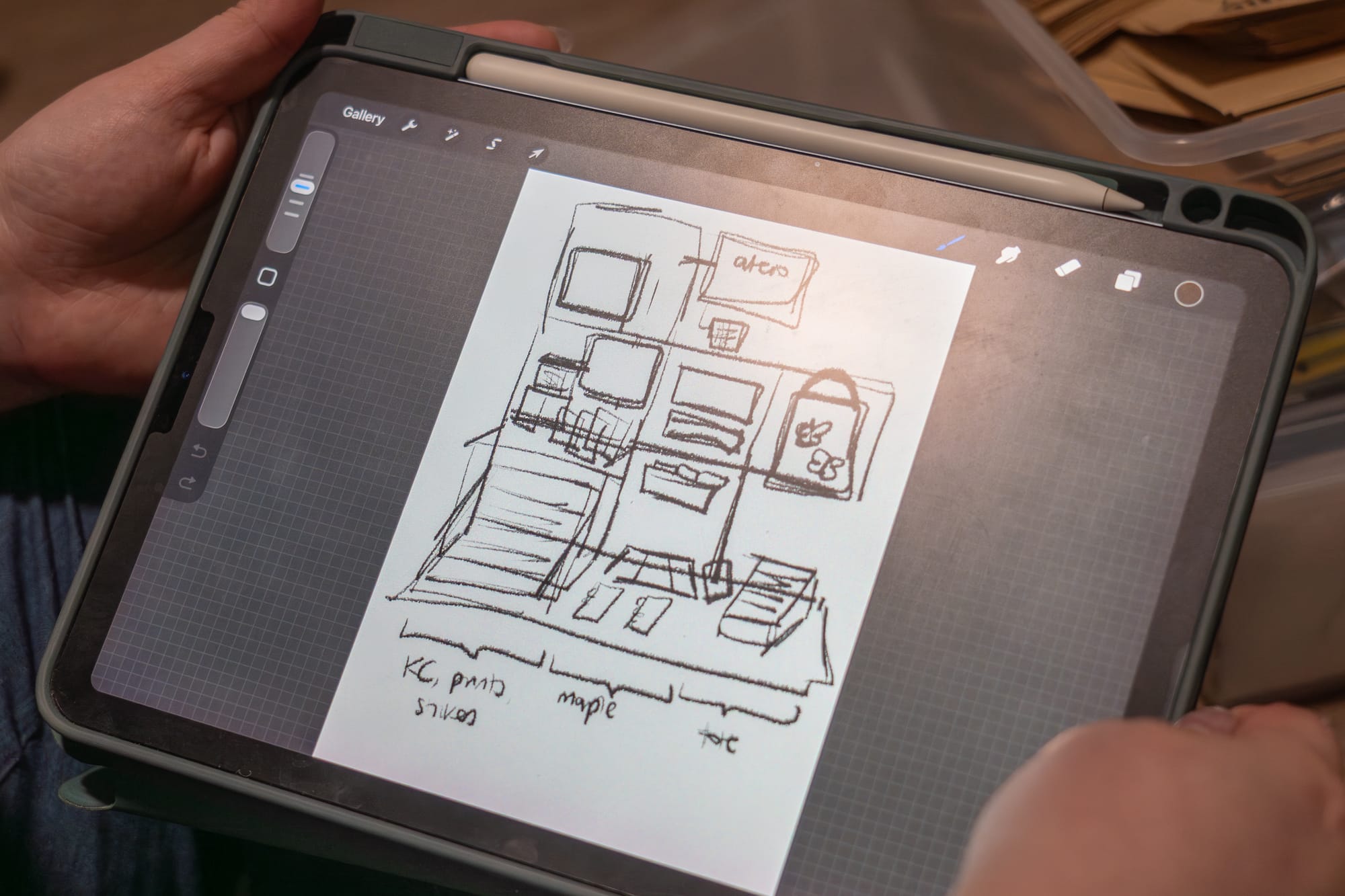
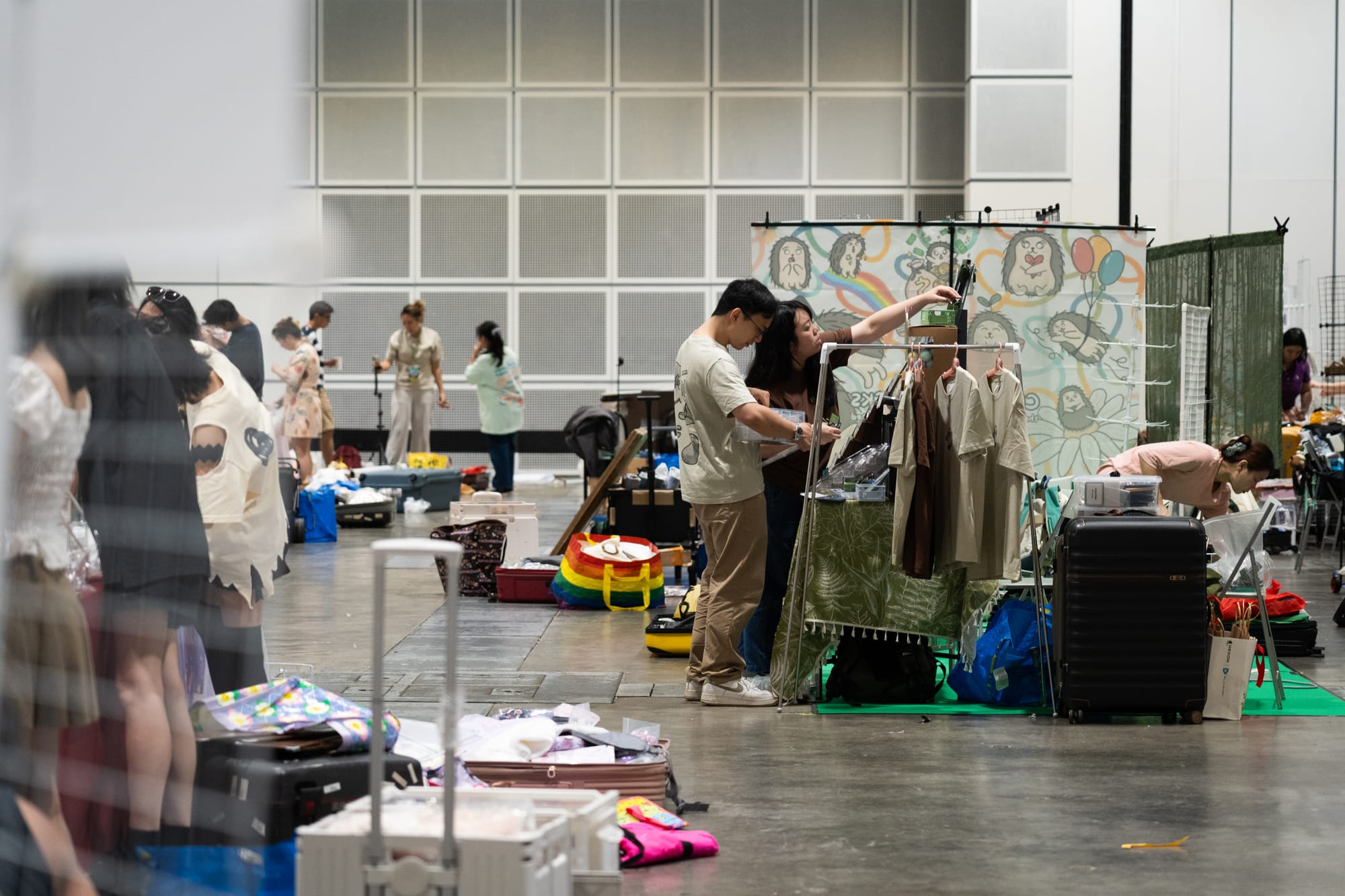
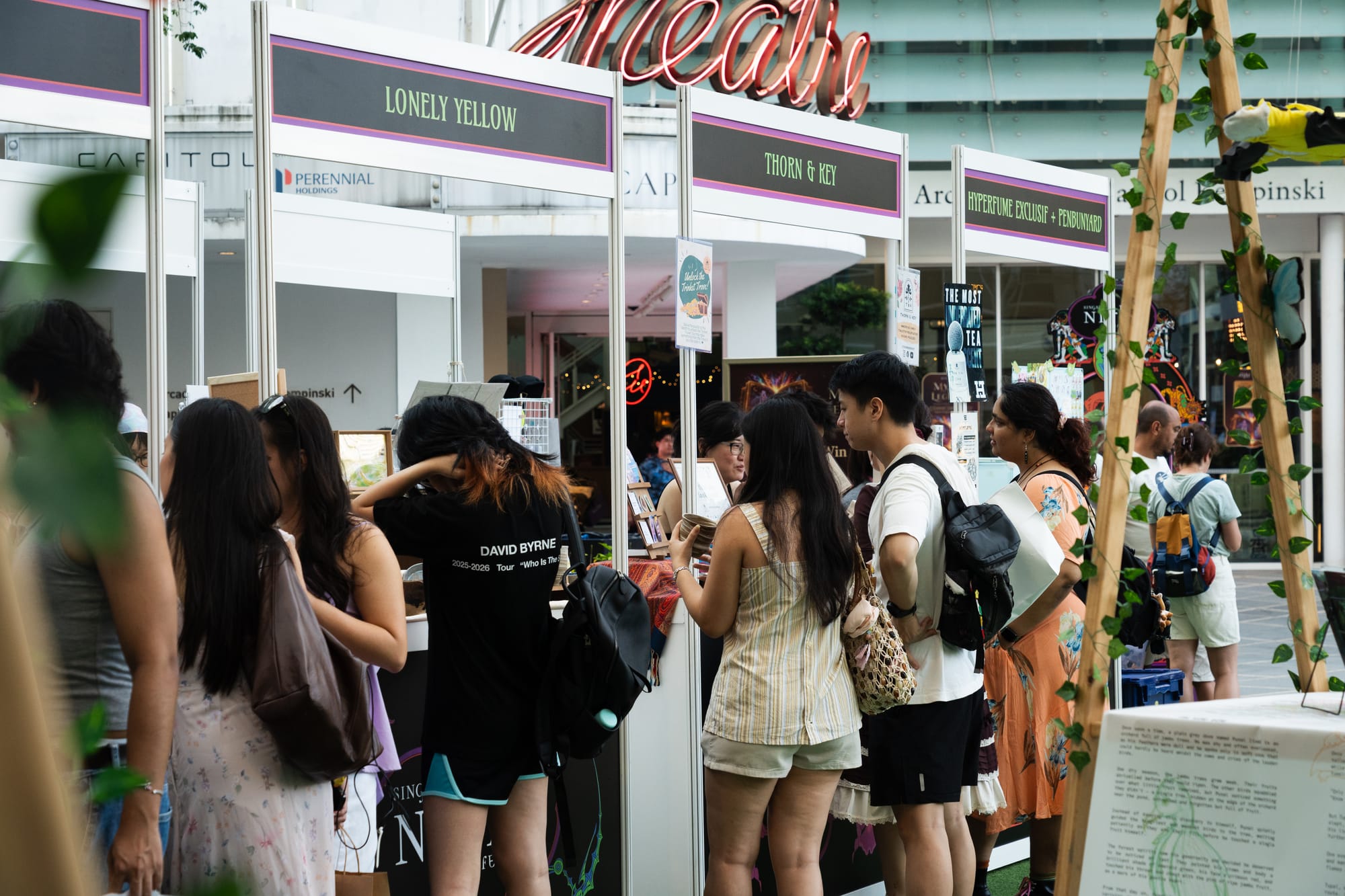
High rental is not the only challenge. The number of art markets taking place over the same weekend may also affect sales, some artists said. During Artsobi’s run, at least three other art markets were held in central Singapore, including Pasar Mad-lam, just a 15-minute walk from Suntec Singapore.
Ho, who sold stickers, prints and keychains at Pasar Mad-lam, said he noticed a smaller crowd that weekend than the one before. He believed it could be due to the many concurrent markets.
“It's not really a special occurrence anymore. Even if you miss a market, you could be like: ‘Oh okay, I'll just attend the next one’,” he added.
Support from friends
Zann has found that many of her buyers continue to be fellow students from her faculty, the Asian School of the Environment (ASE).
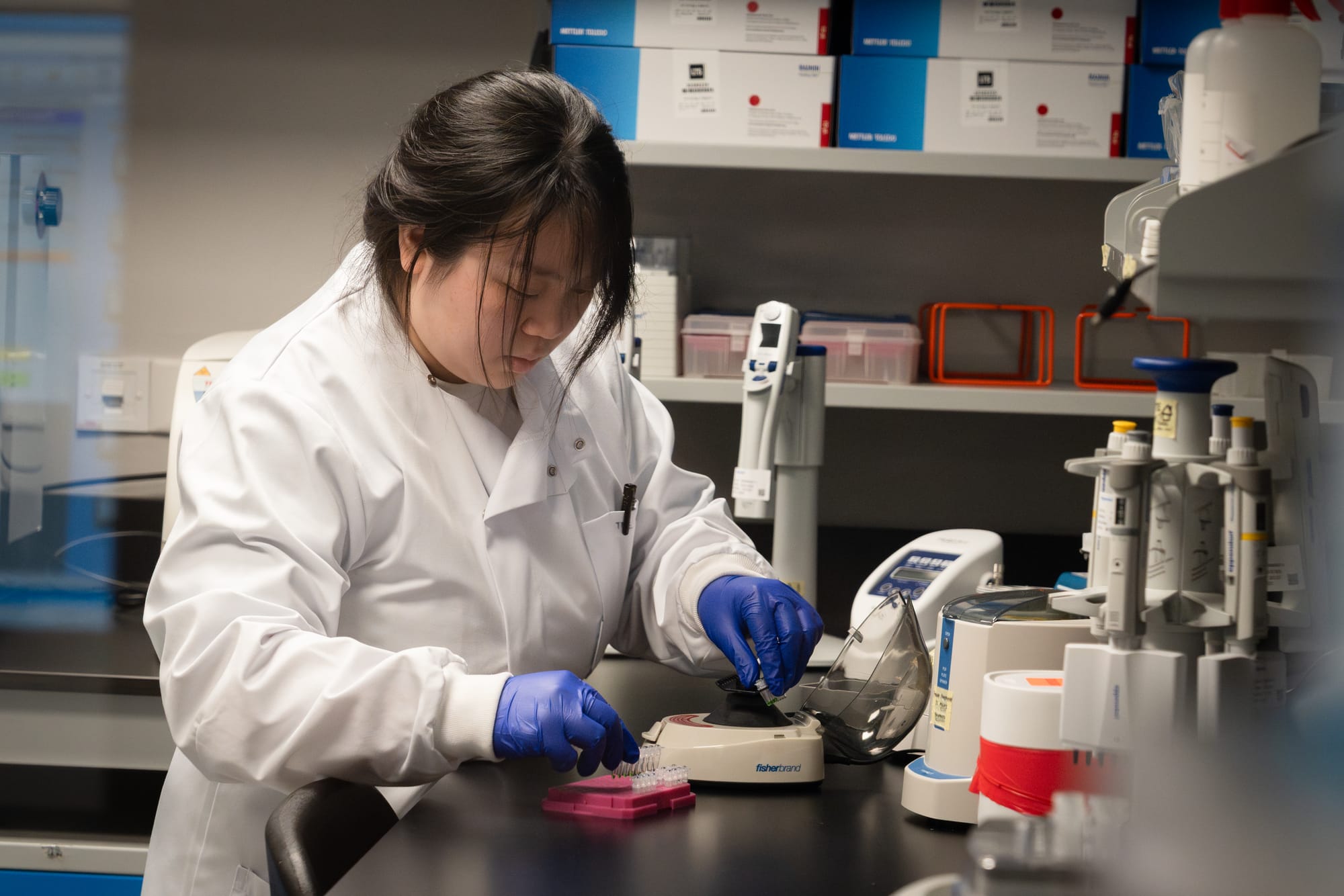
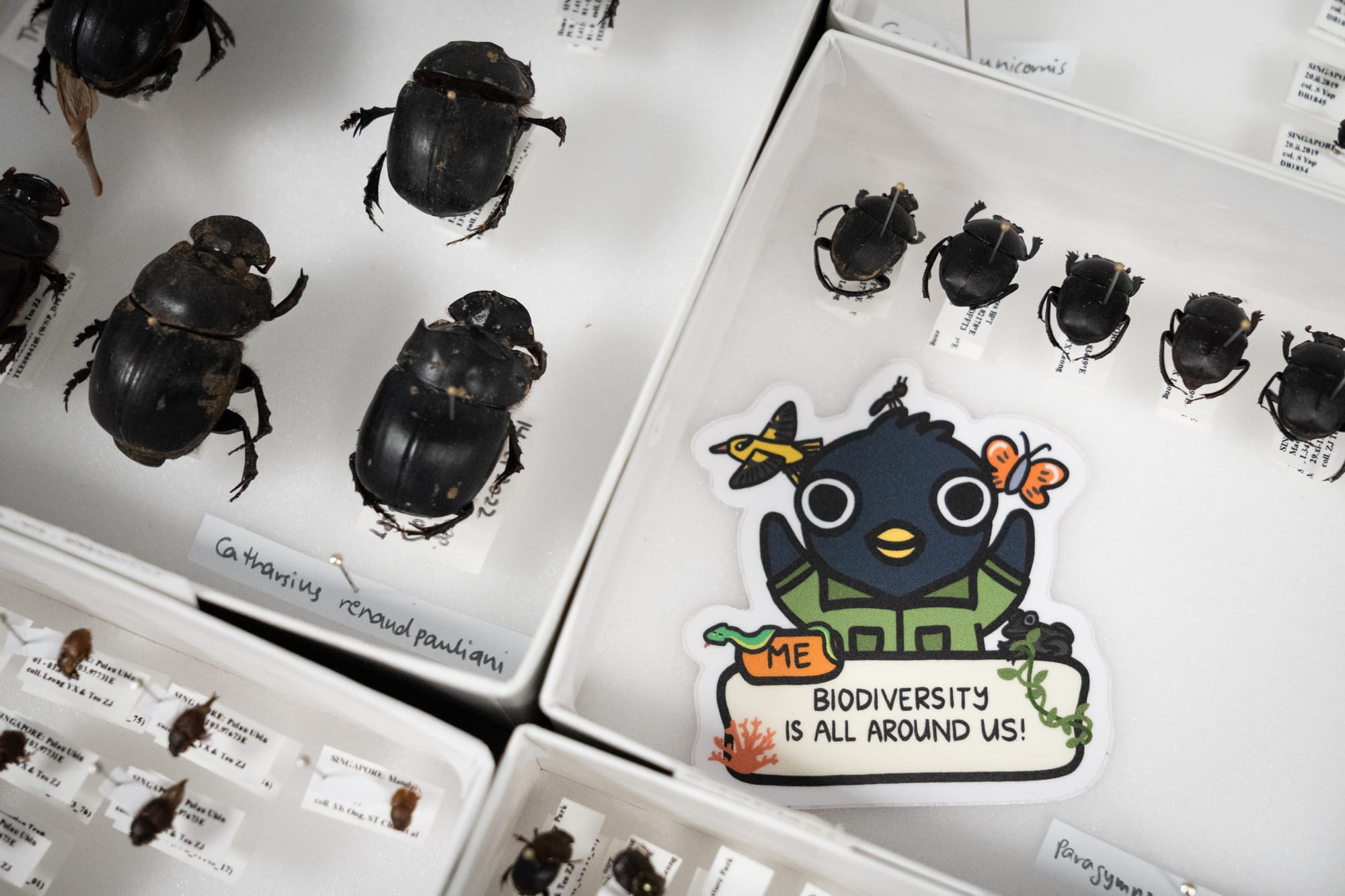
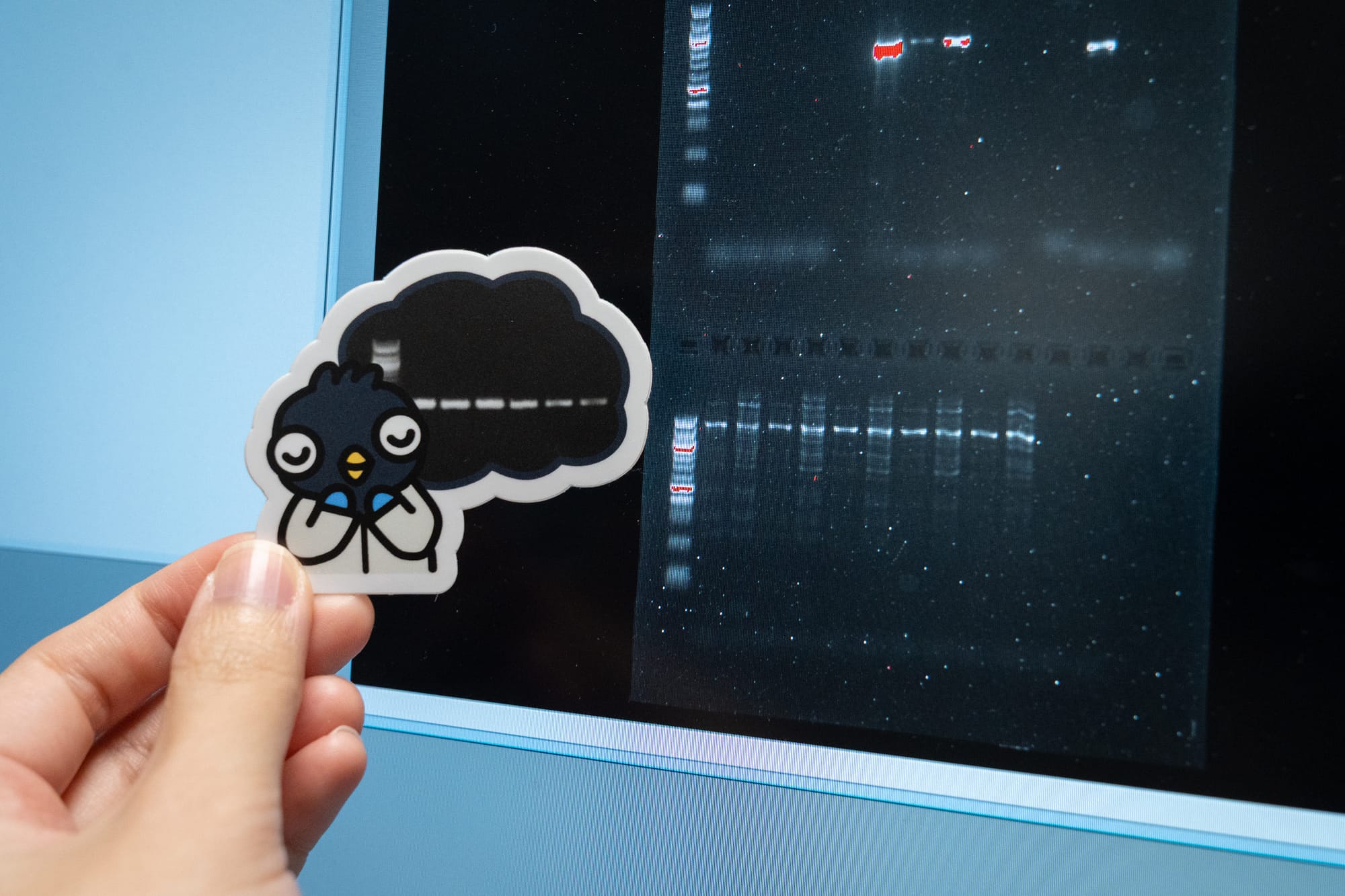
Her designs often feature her original character, Alex the Birb, posed with laboratory equipment such as pipettes and test tubes.
These science, technology, engineering and mathematics-themed designs have become her unique selling point, with her community of loyal customers largely comprising ASE students and PhD students from across Singapore.
“I love seeing them and saying ‘hi’ to them,” she said.
For Wan Ni, the support from her friends in NTU has given her the motivation to keep working on her business.
“I remember when I boothed at ADM for the first time, I was surprised to see my friends and classmates come down to support me,” she said.
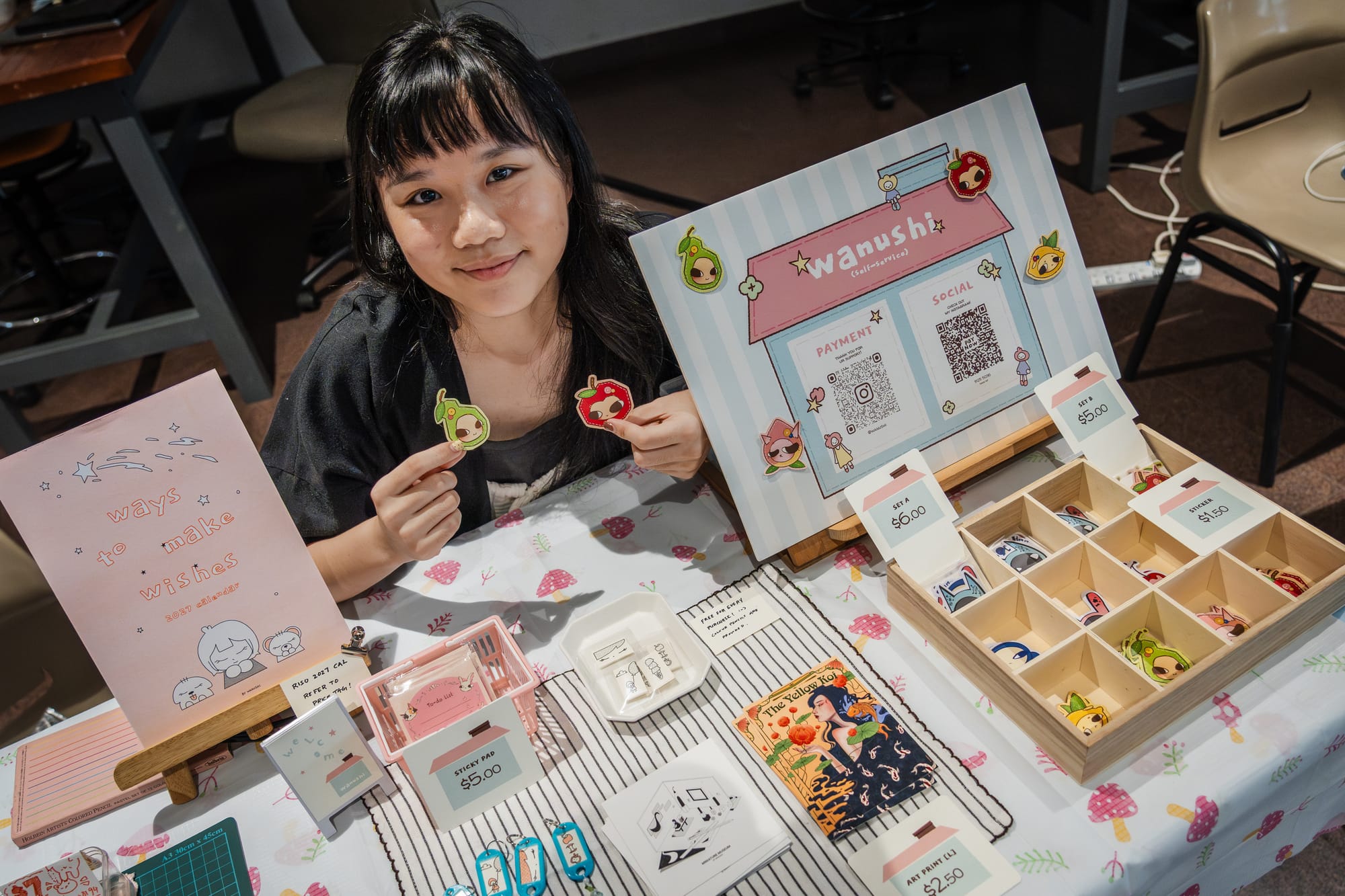
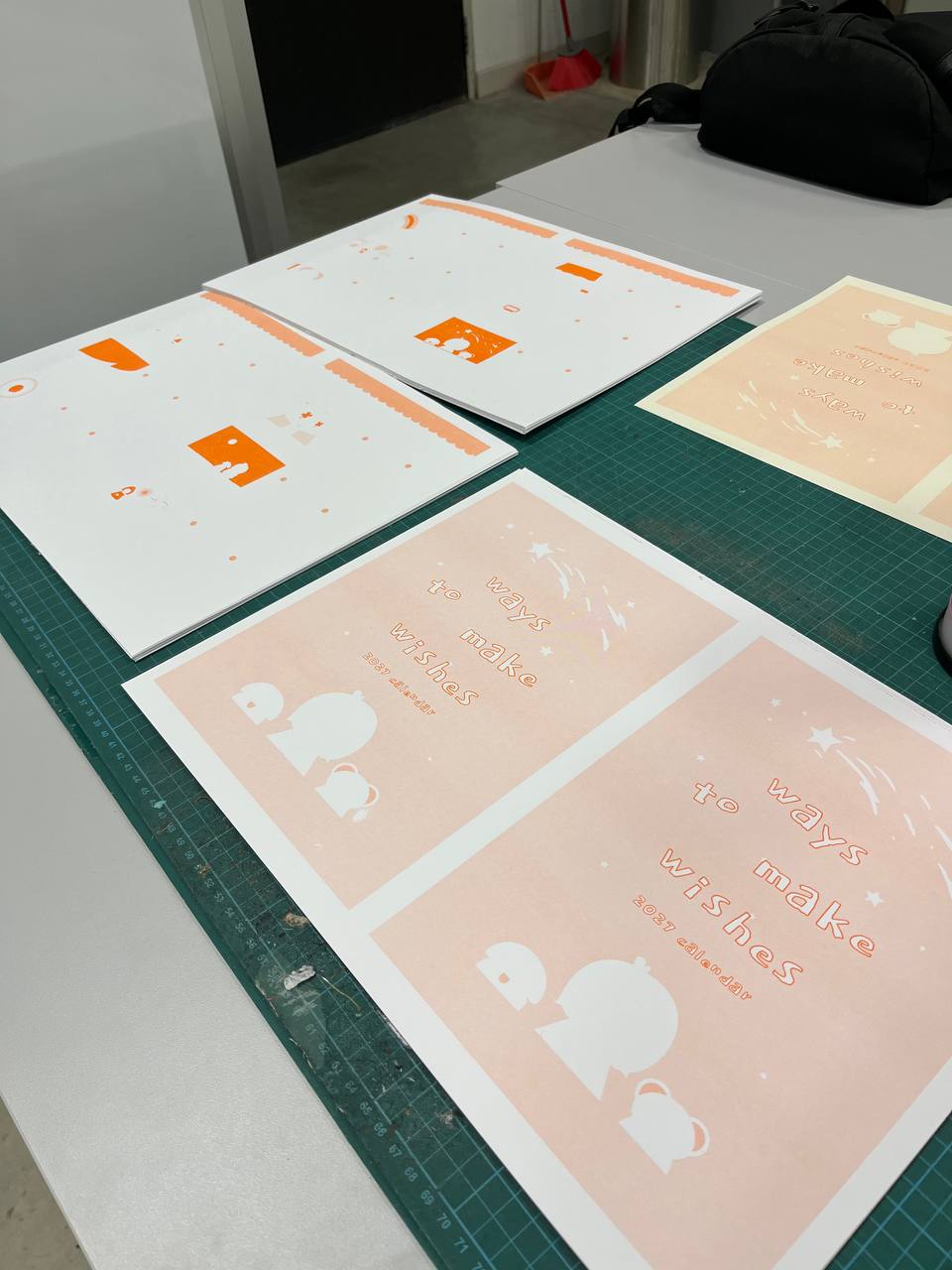
Now a final-year student, she recorded her best sales to date at this year's ADM Start-of-Semester Bazaar, where she sold out of several products. They included calendars made using Risograph printing, where each colour is printed in separate layers using a vibrant soy-based ink. At the event, Wan Ni shared the process behind these prints with customers.
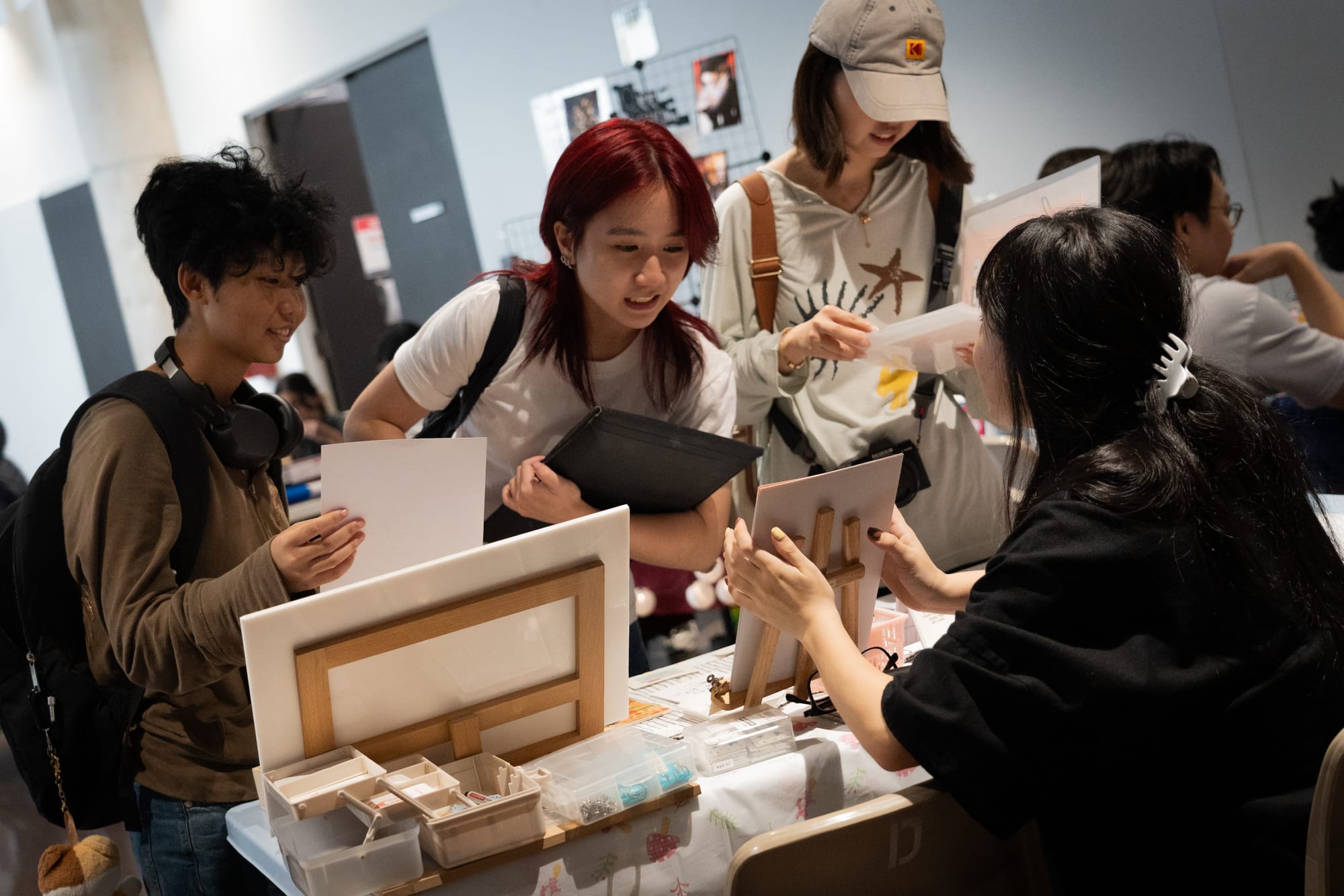
“Having a lower-pressure environment to experiment definitely helped me have more confidence talking to strangers about my work,” she said.
“It allows us to fail in this space, instead of having to pay for a booth outside and failing with a loss.”