For students, by students: Meet the innovators creating fixes to everyday problems in NTU
From automated hall air-conditioner timers to module planners and gamified study apps, students are building digital fixes for campus inconveniences, with some turning side projects into school-backed start-ups.
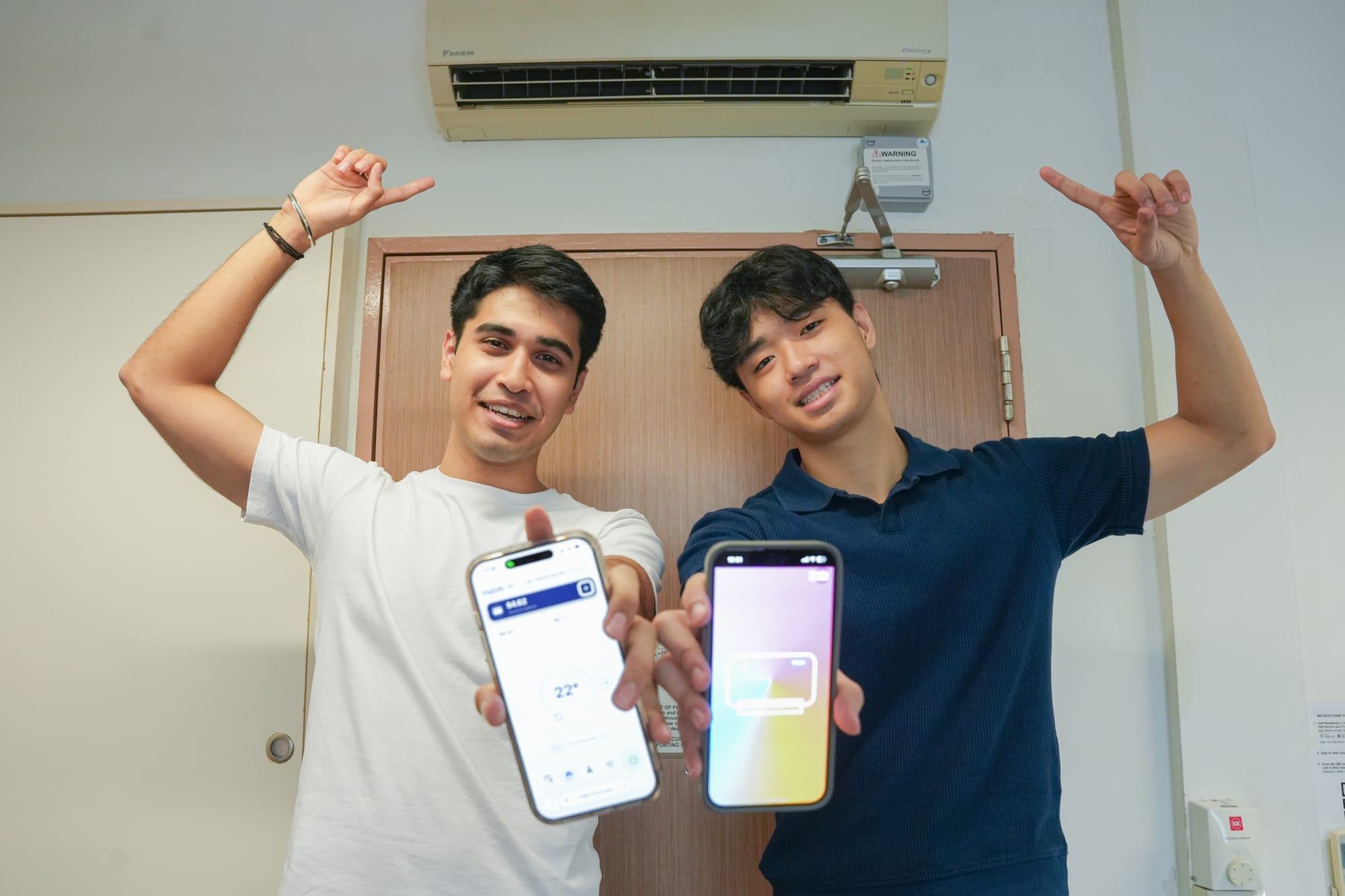
SINGAPORE — Leaving the hall air-conditioning on overnight can promote a good rest, but it costs residents nearly $3 per night.
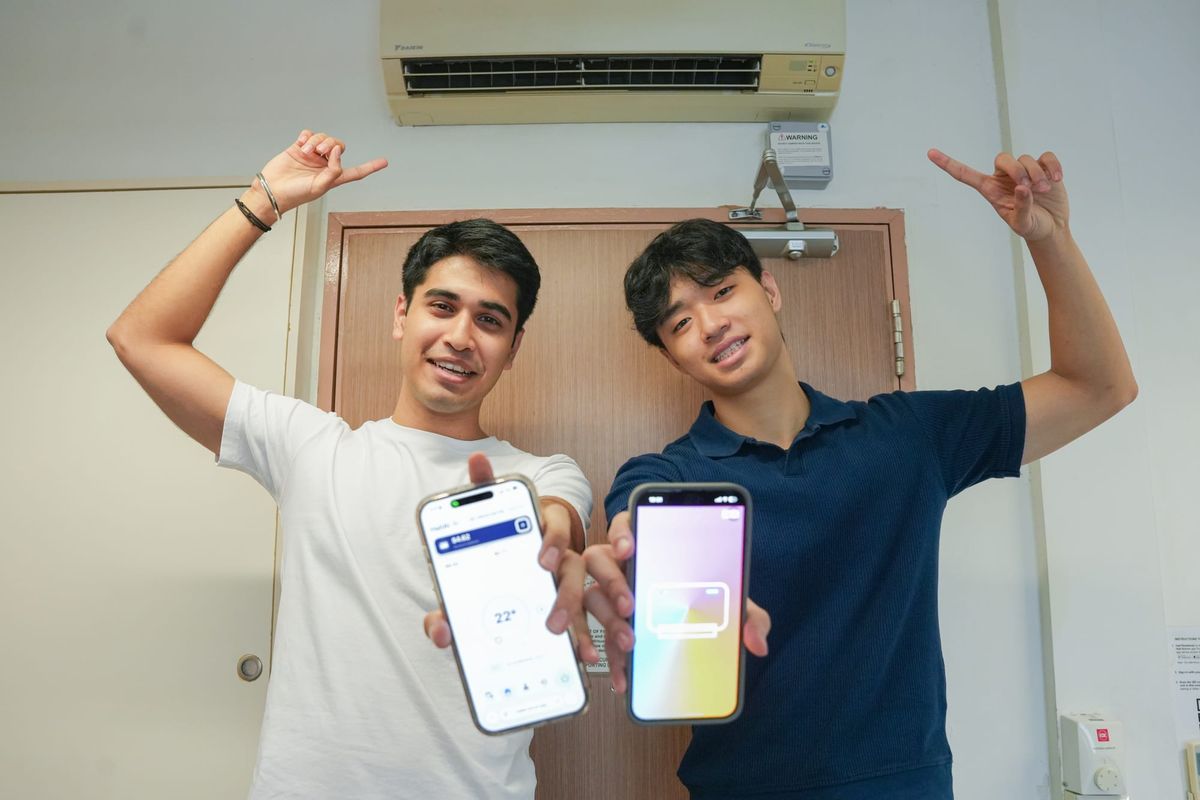
This budgeting problem was what spurred second-year School of Electrical and Electronic Engineering student Yong Li Zhong, 21, to create HALL.AI in 2025. The prototype, built for an emulator, automatically toggled hall air-conditioning on and off through the night, keeping the room cool and within the user’s preset budget.
Together with his friend, second-year School of Mechanical and Aerospace Engineering student Shresth Dhiman, 22, they expanded the prototype into a web app in August, allowing other hall residents to benefit from their creation.
HALL.AI is one of many student-made solutions that aim to enhance student experiences. These platforms often start as solutions to solve problems they personally face, with some even scaling up into start-ups through school grants or venture capital funding.
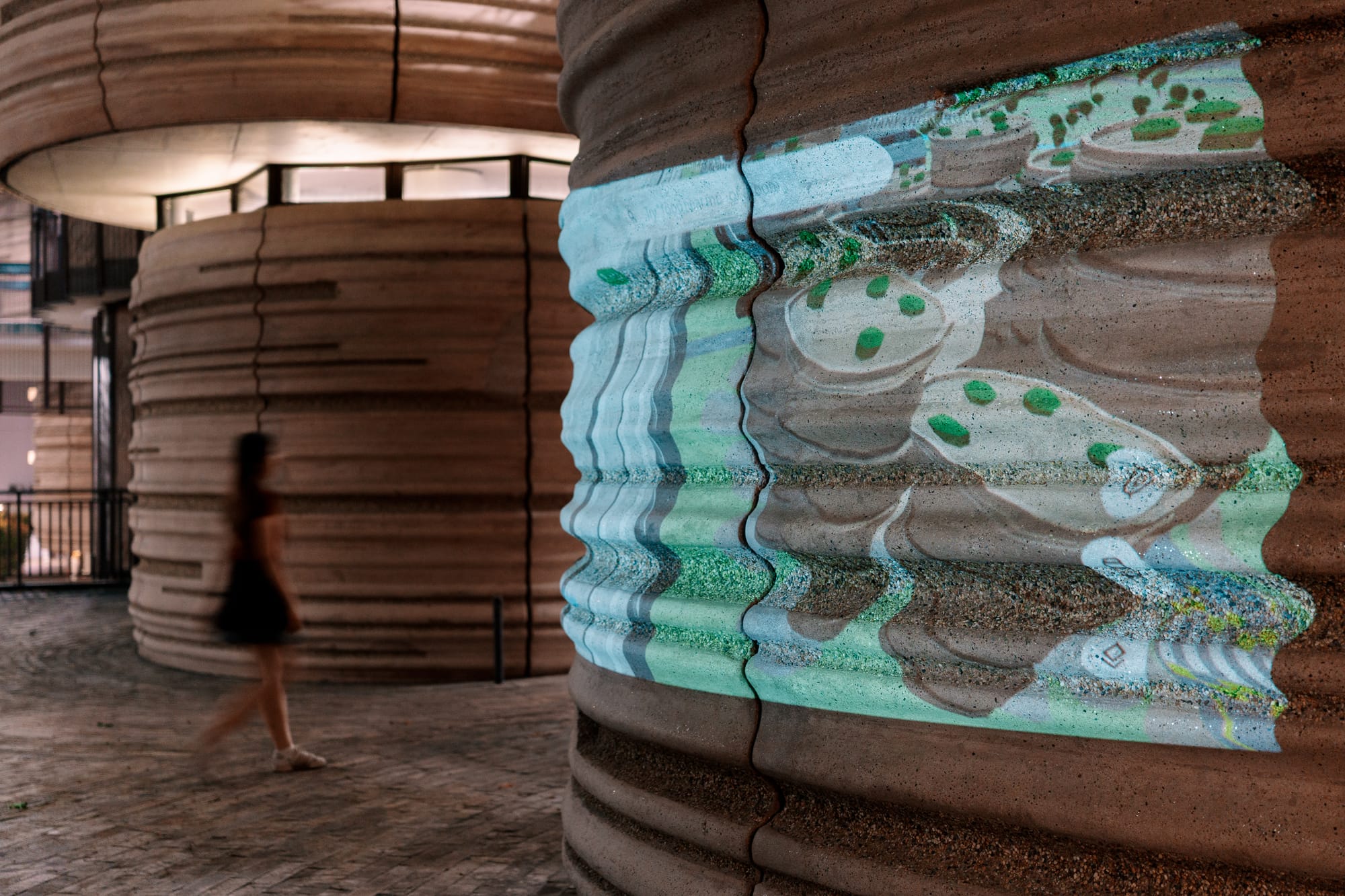
From NTUMods, a website that helps students plan their semester modules, to NTU Map, a refreshed three-dimensional layout of NTU made in September, ground-up innovations have become a staple for many students, benefiting various aspects of their life.
Dallas Ng, 26, who graduated from the College of Computing and Data Science this year, created NTUMods in October 2023. Drawing on course schedules from public NTU portals like the class schedule website, NTUMods allows students to craft up to five draft timetables and export them to their personal calendars — a feature the existing Student Automated Registration System (STARS) planner lacks.
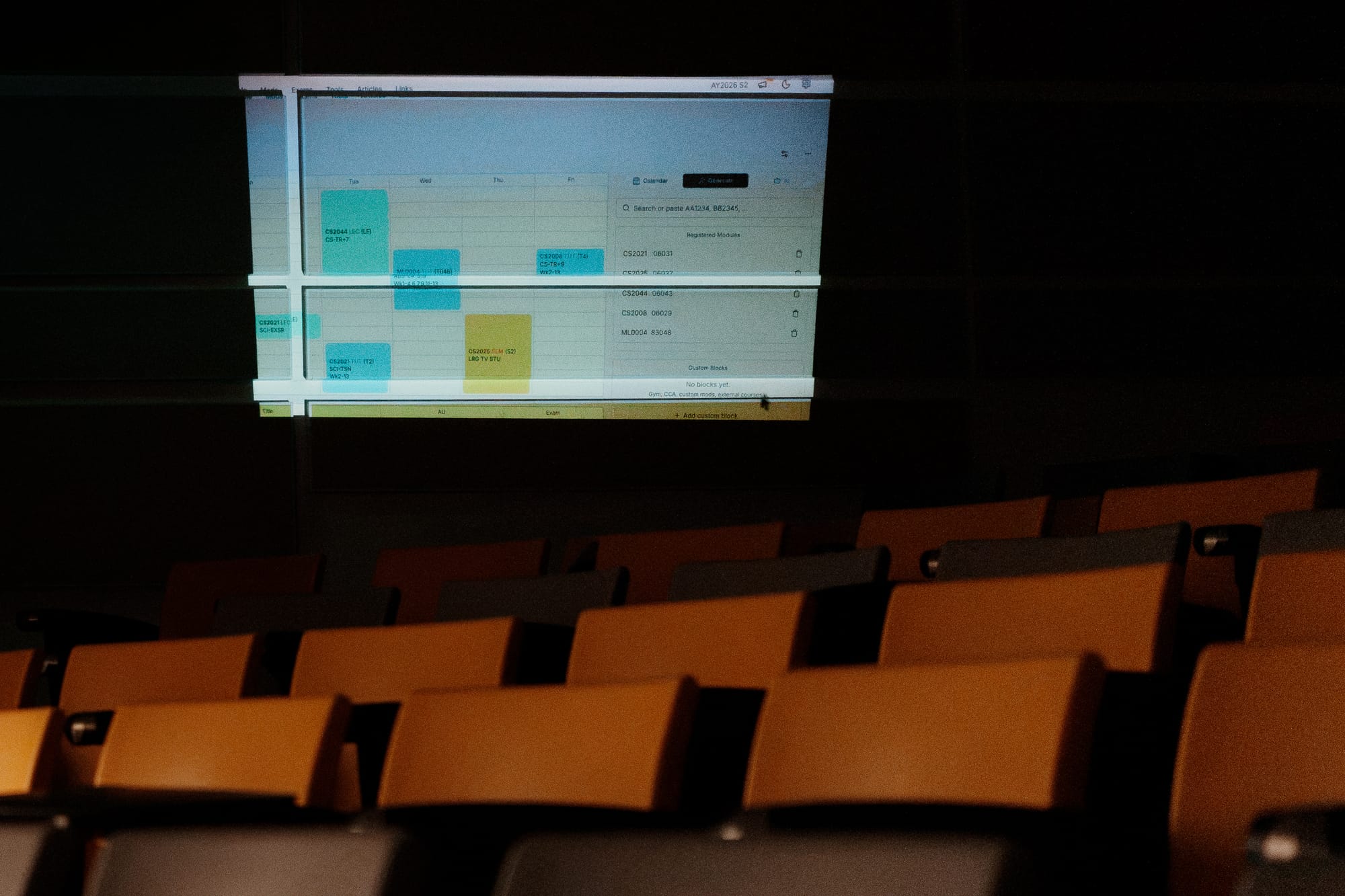
Dallas made NTUMods after he found similar student-made module-planning platforms to be outdated and cumbersome.
“The biggest issue that occurs is after the student graduates, or starts an internship during the school, they will stop building on it,” he said.
Beyond its basic function as a timetable planner, Dallas has incorporated other systems like a map function that helps students visualise their lesson locations, and a Flexible Grading Option (FGO) optimiser in October, which guides students on how to exercise their FGO to maximise their final grade point average.
“I used to build websites for a living, so I decided maybe I should build this as a personal project for fun,” Dallas said.
Three years on, his website continues to be actively used by students, garnering almost 46,000 clicks between August and October this year alone.
Arvin Rao, 27, shared he has been using the website since three years ago when it first launched.
“The user interface is simple and the website is really easy to navigate through,” the final-year School of Humanities student said. “It has made choosing modules during the Add/Drop period so much easier for me to visualise and plan my timetable in school.”
For projects like HALL.AI and NTUMods, user feedback provides a vital avenue for creators to troubleshoot problems and gather ideas to improve their interfaces.
“Not all ideas are mine, I'm not that smart,” Dallas said, “A lot of people, for the lack of a better word, complain. If the idea sounds smart, I go and incorporate it.”
For Li Zhong and Shresth, this feedback loop has also helped them refine HALL.AI. Following their initial launch on the r/NTU subreddit forum, the duo received concerns about password storage and safety.
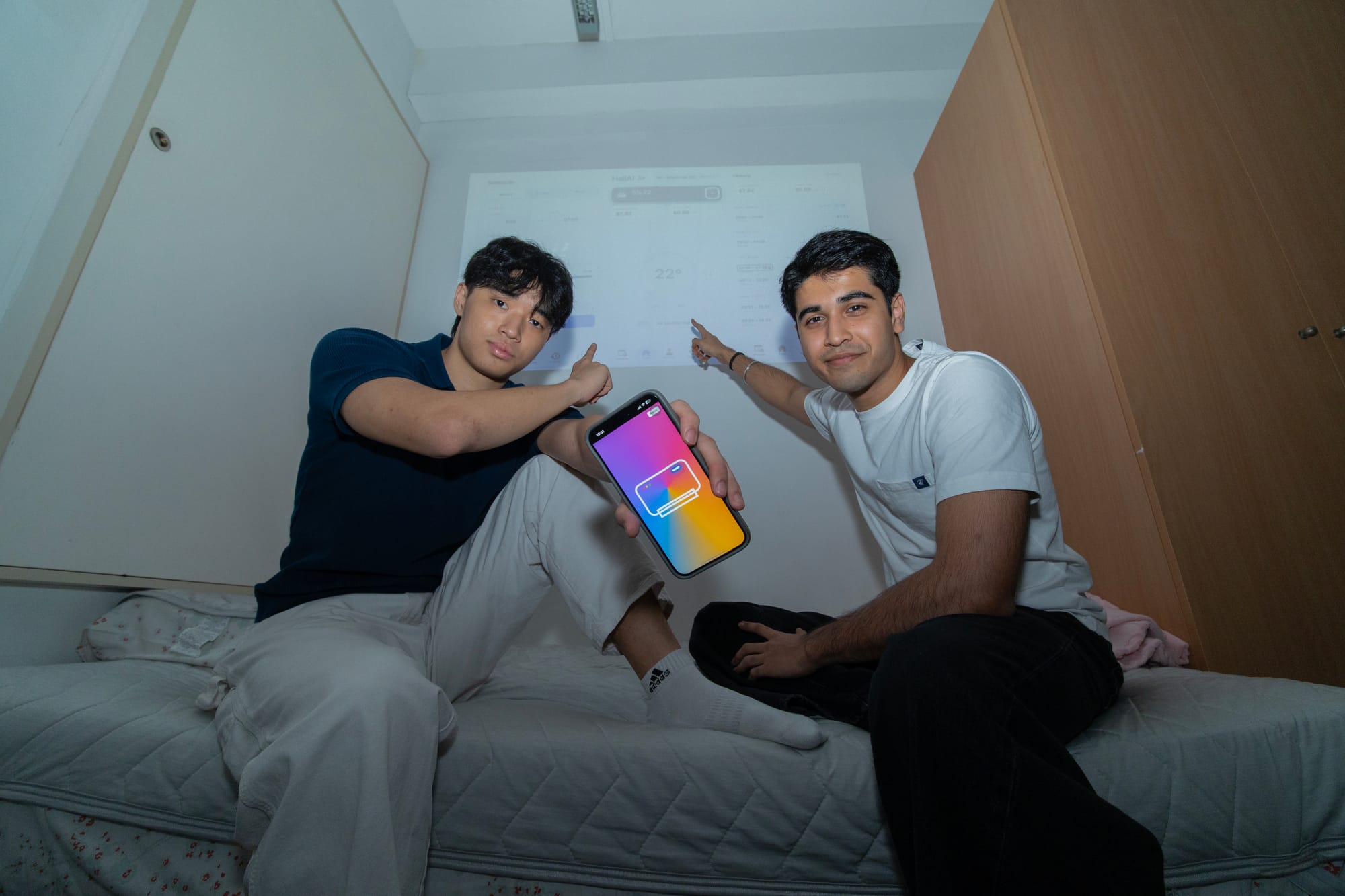
To address security concerns, the developers integrated the official NTU login portal, so that users do not need to enter credentials into their app. This generates an exclusive digital token of their programme to control the hall air-conditioning system.
“The token you copy is a very specific token that is exclusively used for AC operations and cannot be used to access your STARS, degree audit or financial matters,” Shresth said.
They also assured that no passwords have or will be saved when using their platform.
Since August, the duo have also started working with NTUitive, NTU's innovation and enterprise company, in hopes of securing financial grants for the project.
According to Li Zhong, these grants will help to maintain round-the-clock server expenses, databases and artificial intelligence assistance to help debug code and detect system errors. Currently, they spend between $50 to $100 a month to maintain these services.
“We have reached a limit where these free services will no longer apply to us,” Li Zhong said. “Server costs, databases, all these services, they're not cheap.
“Getting the grant is actually a huge thing to us because it means that we get a stamp of approval from the school.”
NTUitive provides students with an opportunity to pitch their ideas to the school for financial grants. Grant awardees are also given a list of mentors, many of whom are running their own start-up or have experience with start-ups.
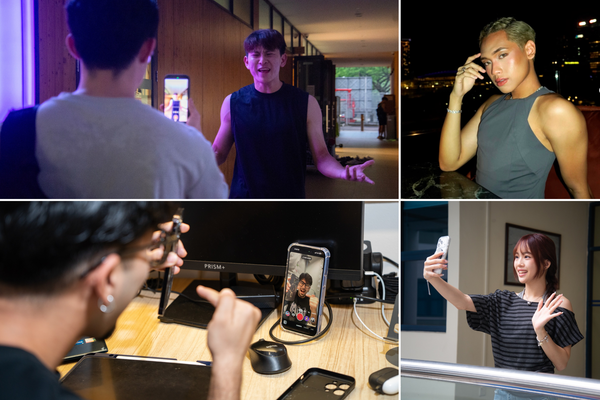
StudySync, a gamified study focus app, is one student start-up that successfully clinched a grant from NTUitive. Students can enter live virtual rooms, track their hours spent studying and earn points and badges for completing sessions.
College of Computing and Data Science students Lean Yi Fan, 21, and Eldon Lim, 23, built the app when they participated in Hack&Roll 2025, a hackathon organised by student-run group NUS Hackers.
There, they clinched a spot among the top nine products. The win spurred them on to continue developing the product and pitch their app to NTUitive, where they secured a year-long partnership under the NTU Entrepreneurship & Startup Training Programme in May 2025.
For a year, they received $10,000 in claimable funding and had a mentor assigned to help guide them in their app’s production.
According to Yi Fan, this funding helped cover initial design and development needs, sustain server costs and fund marketing campaigns on social media platforms like Instagram and TikTok. After numerous renditions, the app was released on the Apple App Store for iOS users in February this year.
Despite the learning curve, Yi Fan believed that it was a “blessing in disguise”, having found a passion for new fields like app design, marketing and business strategies.
“There will be a lot of things that you never have experience in, but do not be afraid of that,” Yi Fan said. “Maybe you will encounter a new interest that you've never had before from trying different things.”